The smallest lives, the biggest commitment
Neonatal Kittens
Most rescues cannot take neonatal kittens. We do. Our Neonatal Kitten Program brings together around-the-clock feedings, warmth, daily weights, and devoted caregivers, and our Kitten Diversion Program moves bottle babies straight into trained foster homes instead of a shelter cage.
Why neonates are different
One bottle is not the whole job. Neither is one night.
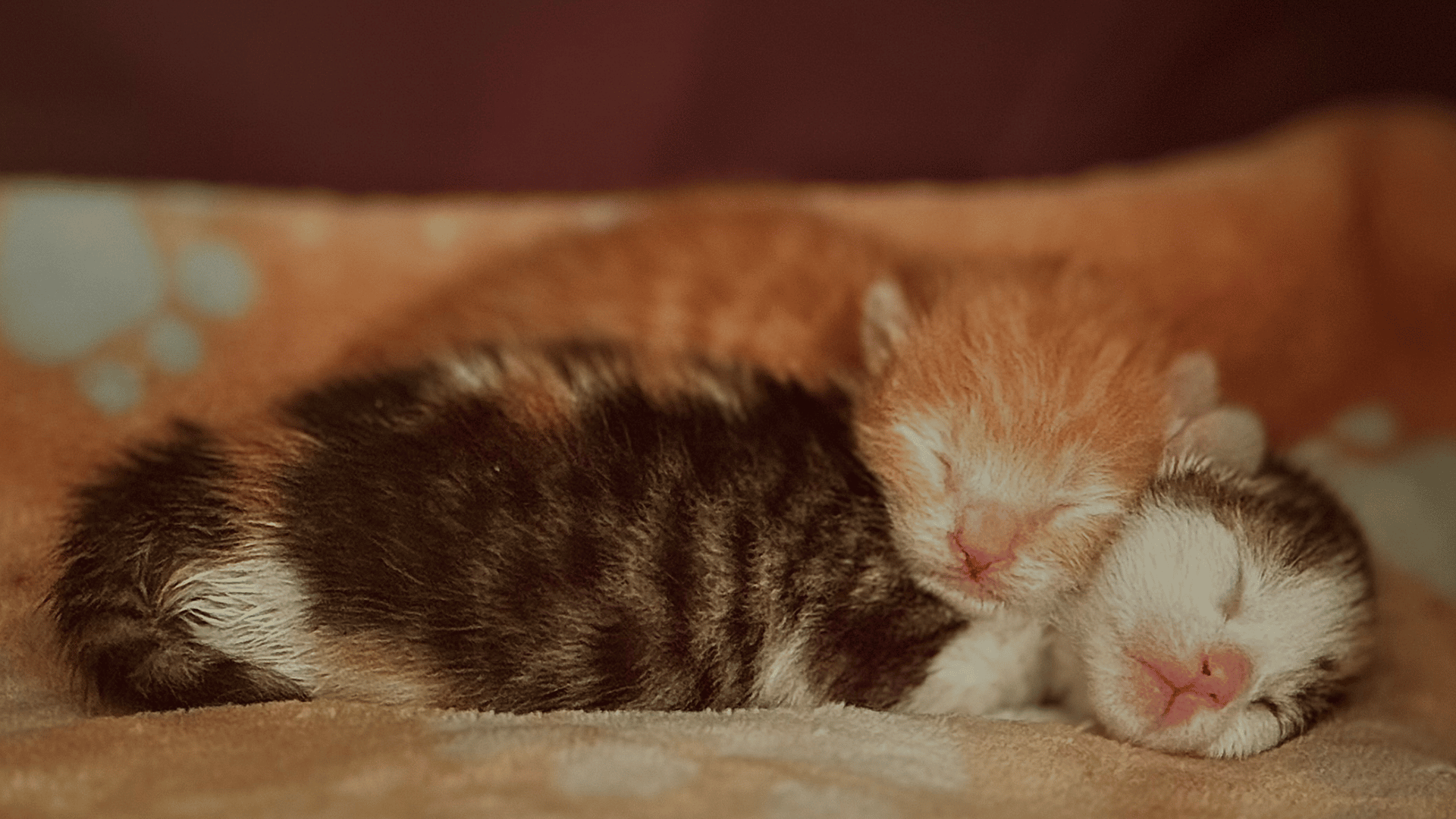
A kitten under four weeks old cannot regulate their own body temperature, cannot eat on their own, and cannot even go to the bathroom without help. They need feeding every two to three hours around the clock, and they can decline in a matter of hours. For a shelter running on volunteers and daytime staff, that math does not work, which is why so many rescues have to say no when a box of newborns shows up during kitten season.
We built a program so we could say yes. Our Little Wichita Barn is the heart of it, a shelter designed around senior dogs and neonatal kittens, and the Oreo Gang and dozens of litters like them have grown up on our bottles. Our foster team, medical protocols, and supply pipeline exist so a tiny life gets the enormous commitment it requires.
This is rescue that begins before a shelter stay. The care has to keep coming, and it does.
The Kitten Diversion Program
Straight to a foster home, not a cage
Intake and triage
When kittens arrive, our medical team checks temperature, weight, hydration, and age. A chilled kitten is warmed before anything else, because a cold kitten cannot digest.
Matched with a trained foster
Rather than placing babies into a shelter setting first, the program moves them directly into a foster home equipped for frequent feeding, daily weighing, warmth, and close observation. Newborn puppies are included too.
Supported around the clock
We provide the formula, nipples, heating supplies, and a written feeding schedule for the kittens’ age. Every foster has one coordinator, and every medical question goes through our approved veterinary pathway, day or night.
Weaning and adoption-ready
Around four to five weeks the babies move to gruel and litter boxes, then grow into playful, socialized kittens who are vaccinated, spayed or neutered, and ready for their families.
The four essentials
What every bottle-baby foster learns first
Warmth
Warm first, feed second. A chilled kitten cannot digest, so warming slowly always comes before the bottle.
Correct feeding
The formula and nipple we provide, on the schedule for that kitten’s age. Never a home recipe, never a switch without the team.
Stimulation
Before and after each feeding, kittens are gently stimulated to eliminate until they can go on their own.
Daily weights
Same time every day, written down. Weight is the earliest warning system there is, and a flat or falling weight gets reported the same day.
The kitten who needs another feeding cannot wait for morning.
Rescue Reimagined
Help us say yes during kitten season
Kitten formula, heating pads, scales, and nipples run out fast when litters arrive every week. Bottle-baby fosters are the most valuable people in our rescue.
A few moments we’ve shared on Facebook
Follow us on Facebook →What Makes Us Different
Explore our other initiatives
Different ways to care. One promise: an animal’s life deserves to be meaningful while we are responsible for it.