No Kill. No Kennel. No Adoption Fees.

Rescue Reimagined

More than a safe place to wait. A meaningful life, starting now.

Always & Furever Midwest Animal Sanctuary is working toward a world where every soul is treated with kindness, dignity, and respect, and their life has been touched by love, even if only for a moment. Serving Kansas City, Wichita, and beyond.

Meet adoptable pets Donate
  • 9,000+Pets rescued to date
  • 4Locations across Kansas & Missouri
  • 100+New volunteers each year
  • $0NO Adoption fees, ever

Love, made practical

The promises behind the mission.

Start with what speaks to you. Open any section to discover the people, programs, and stories behind it.

Explore the full Rescue Reimagined page

We see a life—not a label.

No Kill, hospice, and Furever Foster care begin with the same belief: age, illness, fear, or a long wait should never make a life worth less. Every chapter deserves comfort, dignity, and love.

An animal does not become less worthy because they are older. Or frightened. Or sick. Or because finding the right home takes longer than anyone hoped.

Those circumstances tell us something about the care they may need.

They do not tell us how much their life matters.

No Kill: their time with us is not a countdown

Our commitment is that a full building or a long wait is not a reason to end an animal’s life. Animals in our care have not been euthanized for space. An animal will not lose their life simply because they have been waiting too long.

That promise requires more than conviction.

It requires places where animals can live well. Fosters who can open another door. Medical care. People who understand behavior. Supporters who help carry the cost of patience.

It also requires honesty about capacity. Taking an animal into an overwhelmed situation is not the same as providing responsible care. We have to protect the lives already entrusted to us while building more ways to help the ones still waiting.

Hospice and Furever Foster care: love does not require a long future

Some animals need a home for their final chapter.

Through hospice fostering and long-term foster care, that chapter can include companionship, comfort, and someone who knows them—not merely a place where their needs are managed. Our hospice appeals have asked people to offer that love whether the time available is a night, a weekend, or longer.

We cannot promise every animal years.

Stevie was with us for a single night. We could not give him the long future we would have chosen. We could make sure he was loved and help relieve his suffering. His story remains part of our story because the length of his stay did not determine the value of his life.

No Kill does not mean pretending we can prevent every death. It does not mean asking an animal to suffer because goodbye hurts us.

It means taking their life seriously. Their comfort seriously. Their dignity seriously. Veterinary guidance, quality-of-life conversations, and the observations of the people caring for them belong at the center of those hardest decisions.

Sometimes love gives us a new beginning.

Sometimes it gives us a gentler ending.

Neither should be withheld because the story may be short.

We create a home—not just a holding space.

The Little Red Barn, private suites, Lighthouse tiny homes, and dedicated cat spaces offer more than containment. We shape each environment around the animal—making room for rest, companionship, privacy, and peace.

A building can keep an animal contained without helping them feel secure.

We want to ask more of the places where they live.

Where can this dog rest? Does this cat need quiet? Is companionship comforting, or is it too much right now? What can we change so the animal does not have to struggle simply to get through the day?

The Little Red Barn and home-like living

The Little Red Barn reflects the belief that shelter life can include the ordinary comforts of a home: couches, beds, familiar people, companionship, and shared living when that arrangement suits the dogs. That home-like environment was part of the vision from the beginning.

A couch may not sound revolutionary.

Until the alternative is spending your life waiting for permission to rest beside someone.

But home-like care is not a matter of putting every dog in one room and hoping love sorts it out.

In her barn update, Jen described a dog who had been stressed in a smaller group whose energy did not suit him, then did better among a larger group at the barn. The point was not that a bigger group is always better. It was that the right companions and environment matter more than a simple formula.

Private suites and individual spaces

Some animals need their own space. Some need to eat separately. Some need quiet, careful introductions, or distance from other animals.

That is not a failure of the model.

It is the model listening.

“No Kennel” does not mean no gates, crates, separate rooms, or safety plans when they are necessary. It means confinement should not become the whole experience of rescue. A space should help protect an animal’s life without replacing everything that makes that life meaningful.

Lighthouses and tiny homes

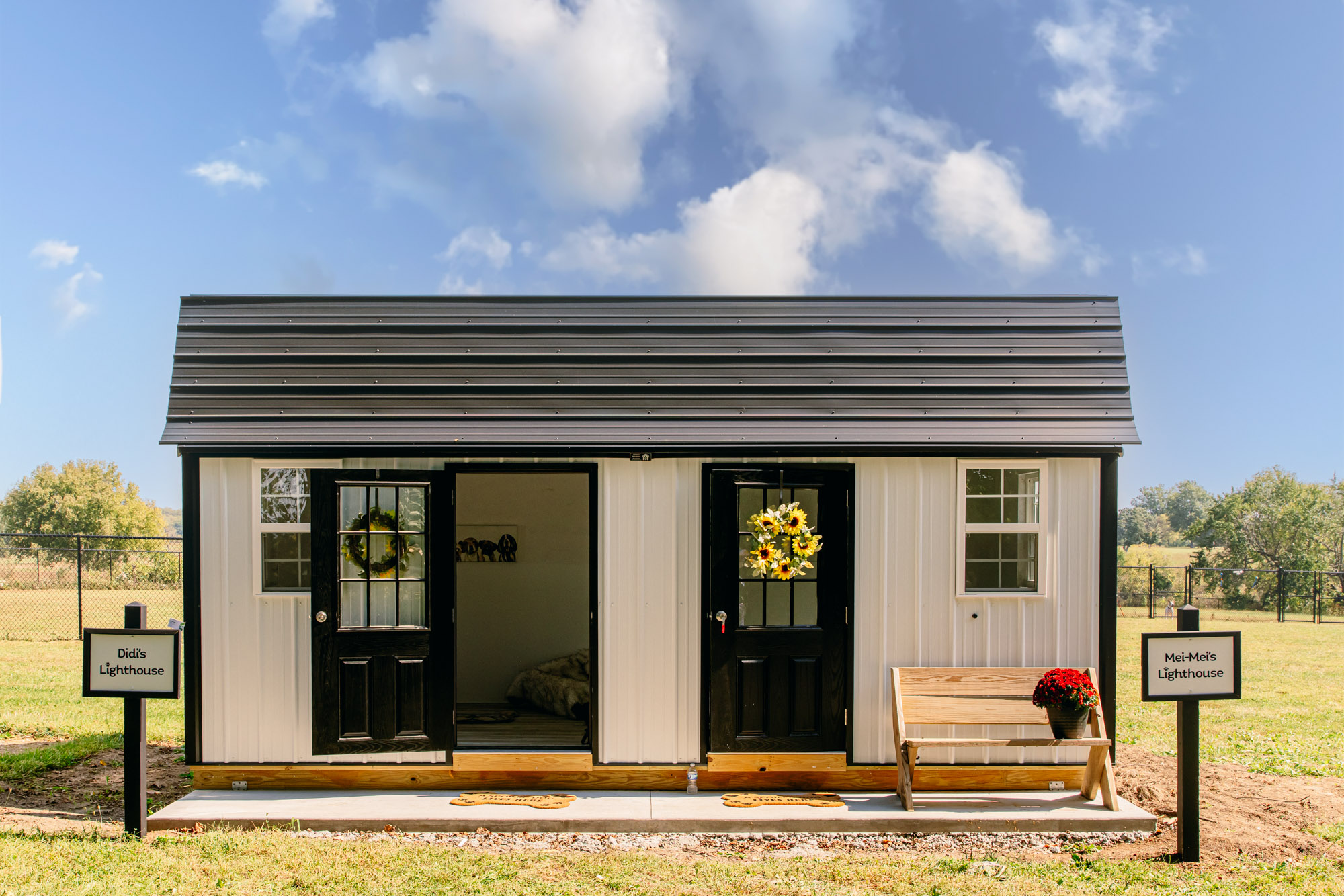
Our Lighthouses give animals another kind of place to land: smaller, home-like spaces with heating and cooling, private yards, gentle music, and room to settle. Where companionship is appropriate, dogs can have a roommate. Where an animal needs privacy, they can have their own space.

For our long-term Sweet Life pups, the question is not only how to keep them safe until adoption. It is how to make their lives worth living for however long they remain with us. The Lighthouse vision specifically includes animals who need calm, time, and a more individual setting.

This thinking also appeared in the earlier $10 Tiny Home Tuesdays initiative, built around TK’s need for a home suited to him. The important lesson was that an arrangement could help in the short term and still need to change when it became a long-term way of life.

We should keep asking whether we can do better.

Especially for the ones who cannot ask us in words.

Cat spaces designed around cats

Cats belong fully in this promise.

At Osawatomie, work on the Mini Pearls Lighthouse created a secure space where healthy cats could move freely. Our feline spaces include separate areas for quarantine, illness, and recovery, alongside free-roaming accommodation.

The goal is not to make every animal’s surroundings identical.

It is to make their care personal.

A frightened cat and a sociable dog may need very different things. Both deserve to have those needs noticed.

We help them belong—not simply get placed.

Foster homes offer time to decompress and learn. Foster-to-adopt creates space for a thoughtful match. Adoption never carries a fee, and our responsibility to an animal continues beyond the day they go home.

A successful placement is more than an animal leaving a building.

It is a relationship beginning with understanding.

Foster homes: a peaceful place to start again

Our foster program extends the rescue into the homes of volunteers who welcome dogs and cats into everyday family life.

A foster offers somewhere to decompress after the loss of a home or another difficult transition. Somewhere to rest without being asked to understand everything immediately.

Then the quiet work begins.

Learning the animal’s personality. Discovering what helps them feel comfortable. Supporting socialization. Establishing routines. Helping with the basics an individual animal still needs to learn—perhaps, for a dog, eating comfortably from a bowl, walking on a leash, or learning where to go to the bathroom.

Not every animal arrives needing the same lessons.

Not every difficult behavior tells us the whole story.

Fosters help us learn who an animal is in a home, and that knowledge helps us tell prospective adopters a more useful, honest story. They become translators between an animal’s needs and the people who may become their family.

Fostering is also supported work. We provide food, supplies, veterinary care, and, for bottle babies, guidance and support. The person opening their home should not have to become the entire rescue alone.

Medical and special-needs fostering

Some animals need more than an ordinary change of address.

They need a peaceful recovery setting and a caregiver willing to follow their care needs. Our rescue work includes animals who use wheelchairs, require ongoing medication, or need a different home arrangement because of their physical or emotional needs.

Their lives are not less deserving because helping them takes more coordination.

It simply means the match matters even more.

Foster-to-adopt: room to make a thoughtful commitment

Foster-to-adopt gives a prospective family the opportunity to learn whether a dog or cat is a good fit in their home before finalizing the adoption.

A meeting matters. So does everyday life together.

The aim is to build understanding rather than rush certainty.

Buck’s story offers one example. After two years in our care, he moved into a foster-to-adopt home. That was a meaningful step—not a reason to pretend the whole journey was already settled, but a chance for him and the family to begin it together.

Adoption without a fee

We do not charge adoption fees.

Not because care costs nothing.

Because we cannot put a price on a soul.

Our model asks a community to help carry the cost of rescue so that adoption can remain centered on the home and commitment an animal needs. The absence of a fee does not mean the absence of responsibility. We take adoption seriously, including reference and background checks.

Their care has a cost.

Their life is priceless.

Responsibility after adoption

Our adoption contract requires animals to come back to us if circumstances change and the placement cannot continue. That is an important part of the commitment—not simply finding a home, but retaining a responsibility to the animal beyond the adoption day.

We want forever to work.

And when life becomes complicated, we want the animal to remain connected to the people who promised to care.

We make room for joy—right now.

Doggie Dates, sleepovers, Hotel Getaways, Little Big Paws Pontoon, and everyday enrichment bring meaningful experiences to shelter life. An animal should not have to wait for adoption to enjoy a day that belongs to them.

An adoption may happen next week.

It may take much longer.

Either way, today still belongs to the animal living it.

Everyday enrichment and companionship

Walks. Play. Puzzles. Training. Quiet time. Time with volunteers.

These are not decorations added after the important work is finished. They are part of the care itself. Our Lighthouse enrichment includes these everyday opportunities to engage, learn, rest, and connect.

The right experience depends on the animal.

A busy outing is not automatically better than a peaceful afternoon. A dog who wants distance should not have to perform friendliness to receive kindness.

Doggie Dates

Doggie Dates give dogs time with people beyond their usual shelter routine.

They also help us learn. A dog may show us something different during one-to-one time than they do in a busy group. Their preferences, confidence, and everyday habits become easier to understand—and easier to explain to a future family.

For a supporter who cannot foster or adopt, an outing can still be a real contribution.

That dog does not need you to promise forever to make this afternoon matter.

Slumber Pawties, sleepovers, and Hotel Getaways

An overnight stay offers another kind of ordinary magic: a person nearby, an evening together, a chance to settle somewhere different.

Our Slumber Pawties began with Ollie and a volunteer heading out for a donated hotel sleepover. Hotel Getaways are another way supporters have been invited to participate.

Home sleepovers can also provide practical help when circumstances change. During a Wichita cooling problem, volunteers opened their homes overnight, while others brought fans and helped care for the dogs remaining at the barn. A community responded with both comfort and practical action.

Little Big Paws Pontoon

Sometimes a different kind of day happens on the water.

Little Big Paws Pontoon gives shelter dogs time away with people who care about them, including dogs who may not receive as many other outings.

Bernie’s boat day helps explain why that matters. He takes time to choose his people, so he does not receive as many Doggie Dates as some other dogs. His outing gave him a few hours on the lake with people he trusted, fresh air, and a day that did not depend on someone deciding to adopt him.

He did not have to become a different dog to deserve it.

He got to be Bernie.

The pontoon is personally owned, and its outings and fuel are personally funded—not paid for with donor funds. That distinction matters, and we want supporters to understand it.

Small adventures, adapted to the animal

Our enrichment has also included golf-cart rides, time outside, and other simple breaks from the usual routine. At Wichita, Coworker of the Day visits have brought shelter dogs into the office space next door.

Priscilla’s feature described short walks, enrichment, sunny naps, and wagon rides for longer adventures. It is a useful picture of individualized care: participation does not have to look the same for every dog.

Sometimes we change the activity.

Sometimes we bring the wagon.

The point is not how impressive the outing looks.

The point is whether the animal gets to enjoy it.

We bring care closer—and help families stay together.

Community Vet Care, Hope on Wheels, the Veterinary Rescue Collaborative, medical rescue, and our Neonatal Kitten Program connect treatment, prevention, and recovery with a bigger purpose: more second chances and fewer loving families separated.

Rescue should not begin and end at the shelter door.

Sometimes an animal needs to come into our care.

Sometimes the better outcome is helping them remain with the person who already loves them.

Our veterinary work connects three needs: care for our own animals, care that helps preserve loving homes, and veterinary capacity that supports other rescues.

Community Vet Care: remove the barrier, not the bond

Community Vet Care works to reduce veterinary-care barriers for neighbors so a treatable need does not become the reason a family must surrender a beloved pet.

The goal is not to collect more animals.

It is to help more animals.

That may mean helping a family find a path to care before they reach a breaking point. Our community-care work is a way for people to get help before losing the pets they love.

This requires compassion toward the person asking, too.

We should not mistake financial hardship for a lack of love.

We also cannot promise assistance beyond available funding and medical capacity. Respectful boundaries and honest explanations are part of responsible help.

Hope on Wheels: veterinary care that comes closer

Hope on Wheels, introduced as Always & Furever St. Francis Outreach, brings the mobile veterinary team into this work.

With full-time veterinary staff on wheels, we can bring care closer to animals at our locations and support the wider community and rescue partners. When care can be delivered on-site, it can also remove the need for an additional trip to a clinic.

The mobile initiative was introduced with a vision encompassing spay and neuter, diagnostics, prevention, and treatment—including helping families keep their animals rather than lose them because care is out of reach.

The wheels are the means.

Access is the purpose.

Veterinary Rescue Collaborative: another rescue in your corner

The Veterinary Rescue Collaborative, or VRC, extends that purpose to qualified rescue and shelter partners through veterinary-care capacity tailored to their needs.

The VRC is being developed around structured access to services such as spays and neuters, dentals, mass removals, wound repairs, and diagnostics. The model is intended to make veterinary access and costs more predictable for participating rescues.

The reason is simple.

A rescue trying to help an animal should not have to feel completely alone in figuring out the medical side.

We want collaboration to make responsible rescue more possible—not only for Always & Furever, but for others carrying the same work.

The specific services and capacity available must remain clear. A vision for expanded care is not a promise that every procedure, emergency, or specialty service is already available.

Medical rescue, recovery, and Medical Miracles

Medical care is not separate from the story of an animal’s life.

It is often what makes the next part possible.

Our rescue work includes animals with significant medical needs, followed by the care and recovery arrangements those individuals require. Medical Miracles, which grew from Team Mikhal, helps supporters follow dogs and cats facing severe medical challenges rather than seeing only an urgent intake photograph.

There is faith in that name.

There must also be honesty.

A miracle is something we hope for. It is not an outcome we can guarantee.

Neonatal Kitten Program and bottle-baby diversion

Some of the lives entrusted to us need someone to do nearly everything for them.

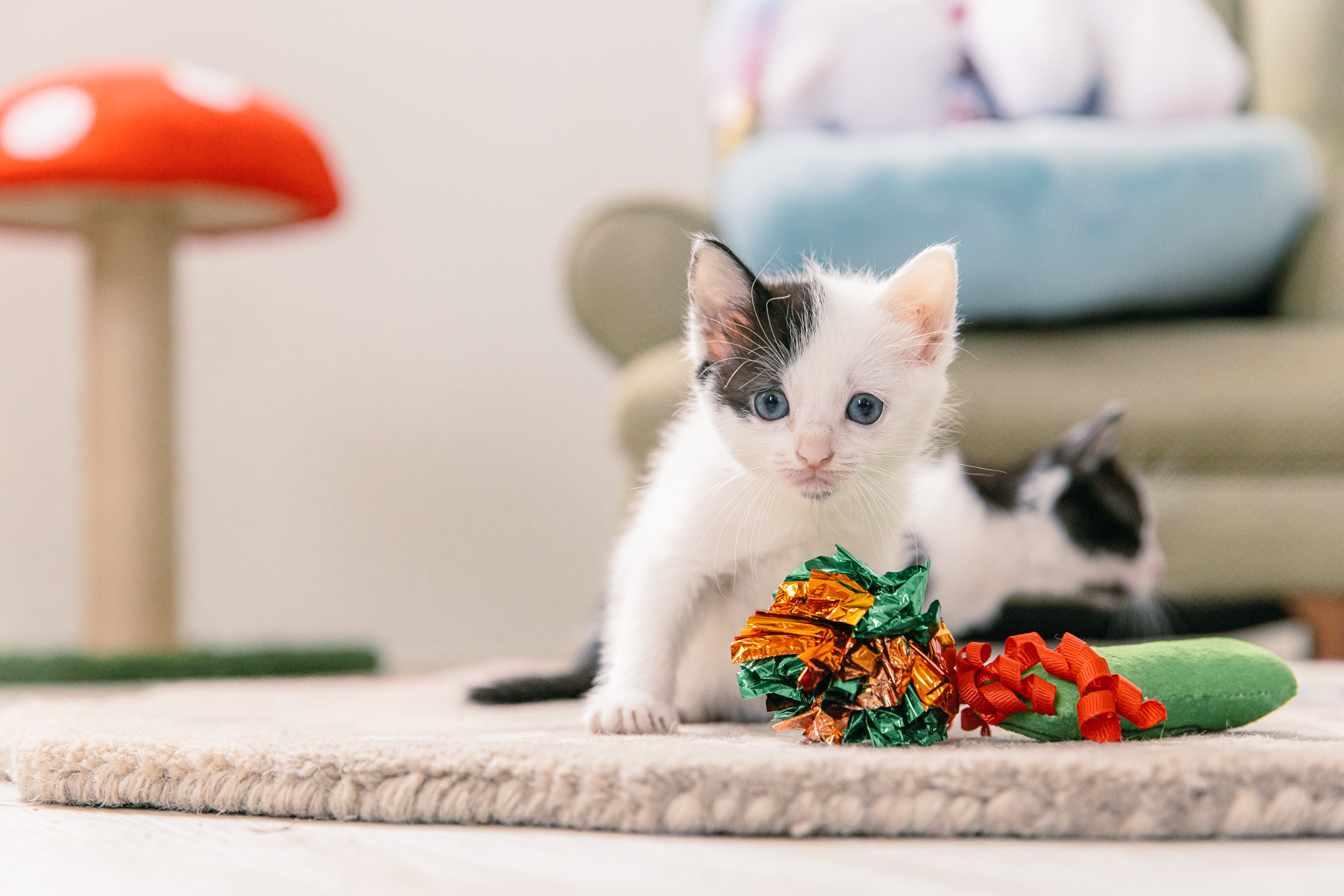
Our Neonatal Kitten Program brings together around-the-clock feedings, warmth, careful monitoring, and devoted caregivers.

Our bottle-baby diversion program also includes newborn puppies. Rather than placing these babies into a shelter setting first, the program moves them directly into foster homes equipped to provide frequent feeding, daily weighing, warmth, and close observation. A&F provides guidance, supplies, and support.

This is rescue that begins before a shelter stay.

It is also a reminder that a tiny life can require an enormous commitment.

One bottle is not the whole job.

Neither is one night.

The care has to keep coming.

Mothers and their babies

That commitment extends to pregnant animals, mothers, and their litters.

Gemma’s story shows how medical care and fostering work together. After she needed an emergency C-section, her foster, Sara, took on the work of caring for the little family: feeding, cleaning, weighing puppies, and watching their needs closely.

The rescue is not finished because the birth is over.

The mother needs care. The babies need care. The foster needs support.

Every part matters.

Prevention, community cats, and temporary family support

Spay and neuter access belongs in this work, too. Our outreach has included raising support for a rural community-cat advocate to obtain spay/neuter, vaccination, and deworming care for four kittens. That was support for someone already helping—not a claim that every solution had to operate inside our own buildings.

Family preservation can also involve seeking temporary foster care. In the appeal for Scrappy Doo and Roxie, we sought a home that could keep the two senior dogs together while their owner faced an uncertain period away. The hope was reunion, while also preparing responsibly for the possibility that circumstances might change.

That is another part of Rescue Reimagined.

Not assuming every new beginning requires an old bond to be broken.

We invite the community in.

Team Minis, senior visits, Community Clubhouses, Joy Drops, volunteers, partners, and storytelling create more ways to connect. Starting in Wichita, our Clubhouse vision brings people and rescue animals together around kindness, learning, and shared purpose.

A shelter should not be a place people think about only when something has gone wrong.

It can also be a place where people learn kindness, build friendships, discover a useful role, and experience the joy of caring for someone beyond themselves.

Team Minis: small horses, meaningful connections

Shaggy, Daphne, and Penny—Team Minis— bring another kind of life to this mission.

These rescued miniature horses connect with seniors, children, volunteers, and the wider community through time together, training, walks, and everyday care.

Their story includes the work of building confidence and relationships.

And carrots.

We should not leave out the carrots.

Their everyday adventures include daily walks, volunteer participation, and Shaggy finding an opportunity for mischief while the humans were distracted.

The animals are not merely receiving something from people.

They have something to offer, too.

Senior visits belong to this same belief in connection: time together can be part of the good an animal and a person bring into one another’s day.

Community Clubhouses: starting with Wichita

Our Community Clubhouse vision begins in Wichita, broadening the Pickle 4 Paws space into a gathering place connected to the rescue mission. The courts remain part of it, but recreation is not the whole purpose.

The developing program includes community events, education, volunteer engagement, corporate volunteer opportunities, birthday parties, donor experiences, adoption outreach, fundraising, and partnerships with local organizations.

Someone might arrive because a friend invited them to play.

They might learn about fostering. Meet an animal. Discover a volunteer opportunity. Begin to understand what the rescue is trying to change.

They do not have to arrive already knowing how to help.

The Clubhouse creates more ways to begin.

Its intended role is practical as well as personal: programs can generate support for animal care, enrichment, medical needs, and future placements while creating positive experiences for animals and connecting new supporters to the work.

Joy Drops: helping one animal have a better day

Joy Drops is designed to let donors sponsor enrichment activities benefiting individual dogs and cats.

It makes a meaningful part of rescue easier to see.

Not only the animal’s emergency.

Their enjoyment.

The concept connects a supporter with an individual animal through an experience intended to make that animal’s time in care better.

Joy is worth making possible.

Even when it does not come with an adoption announcement afterward.

Volunteers, skilled helpers, and community partners

There is room in this work for more than one kind of helper.

The person holding a leash matters. So does the person washing bedding, arranging transportation, taking photographs, fixing a door, organizing records, or helping a foster get what they need. Those roles belong inside the same promise of care.

At Osawatomie, we have worked with the city and police to care for local animals, including taking animals brought by police without charging an intake fee. Rescue transfers and freedom rides extend that cooperation beyond our immediate community, and our work has also included responding to storm and flood-related needs.

Returning a lost animal to an existing family belongs here as well. Winston’s reunion, helped by people who found him, a temporary host, and shared posts, is an early example of a happy ending that meant going back home—not finding a different one.

Our adoption outreach has included local business events and the BISSELL Pet Foundation’s Empty the Shelters partnership. Different partners create different opportunities for animals to be seen and for people to find a way to participate.

Storytelling as an invitation to care

Our morning updates, goodnight visits, 100 Days, 100 Stories, and The Doggone Truth About Rescue podcast open a window into the work.

They make room for ordinary life alongside urgent need: personalities, progress, uncertainty, laughter, grief, and the people who keep showing up. The storytelling series connects individual lives to the larger Rescue Reimagined dream, while the podcast speaks directly about both the hope and difficulty of rescue.

A shared story is not the whole rescue.

But it may reach the person who becomes part of it.

We build the next promise responsibly.

Homestead East, the planned St. Francis veterinary center, Dream Builders, and ongoing support help carry the mission forward. Behind every dream are people, practical systems, and the responsibility to make compassion dependable.

A different kind of shelter takes more than a different kind of heart.

It takes trained people. Medical supplies. Safe spaces. Maintenance. Careful decisions. Funding that remains available after the urgent photograph is no longer at the top of the feed.

Faith matters deeply to this mission.

So does doing the work.

Homestead East and the planned St. Francis veterinary center

Homestead East and the planned St. Francis veterinary center represent the next chapter of this approach: more capacity to care for rescue animals, help families, and support veterinary collaboration. These are projects being built toward—not a completed hospital already delivering its full planned services.

The longer-term campus vision includes additional Lighthouse homes, cat spaces, walking trails, a cat café, disc golf, education, and places for music and community gatherings. These remain elements of the vision, not a list of completed amenities.

A separate proposed asphalt path on the Spring Hill land would create more opportunities for exercise and outings close to the animals’ home base, including the rollerblading outings featured in Jen’s videos.

The buildings and paths are not the mission by themselves.

What happens because they exist is the reason to build them.

Dream Builders and ongoing support

We Have a Dream and the Dream Builder initiative invite supporters to help create that next chapter. Golden Guardians is another way to support senior dogs at the Little Wichita Barn.

Alongside project gifts, consistent support helps sustain the daily work: staffing, food, medication, utilities, sanitation, equipment, repairs, and the systems that make care dependable. Those costs may not always produce an emotional photograph. Every animal still depends on them.

A gift can help create a new space.

It can also help make sure the light stays on in the space an animal already calls home.

Remembering through kindness

Our community’s giving has also included memorial bricks, Legacy Pet tributes associated with the mobile veterinary RV, and David’s Day, which invited people to honor David and Annabelle through donations and acts of support for animals.

The love we have for someone does not have to stop being useful when they are gone.

It can become kindness offered to another life.

Protecting the people who keep the promise

Responsible growth also means supporting staff, volunteers, fosters, and veterinary professionals.

A mission should not depend on one exhausted person remembering everything.

Clear care records, thoughtful handoffs, training, shared responsibility, and people who know where to ask for help are part of making compassion dependable. They are standards we must keep building and improving—not reasons to become less personal.

And donors deserve honesty.

About what is working. What is still difficult. What has changed. What is available now, and what remains a plan.

Hope does not become weaker when we tell the truth.

It becomes something people can trust.

Return to the overview

Adopt or foster

Your new best friend is waiting.

Live from our shelters right now. Every adoption is free, and every animal comes with our continued commitment to them.

View all available pets
Loading today's adoptable dogs and cats…

Find your part in the story

Everything we do, at a glance.

You do not have to foster, adopt, volunteer, and donate all at once. Bring the part you can offer honestly: your time, your skills, your home, your gift.
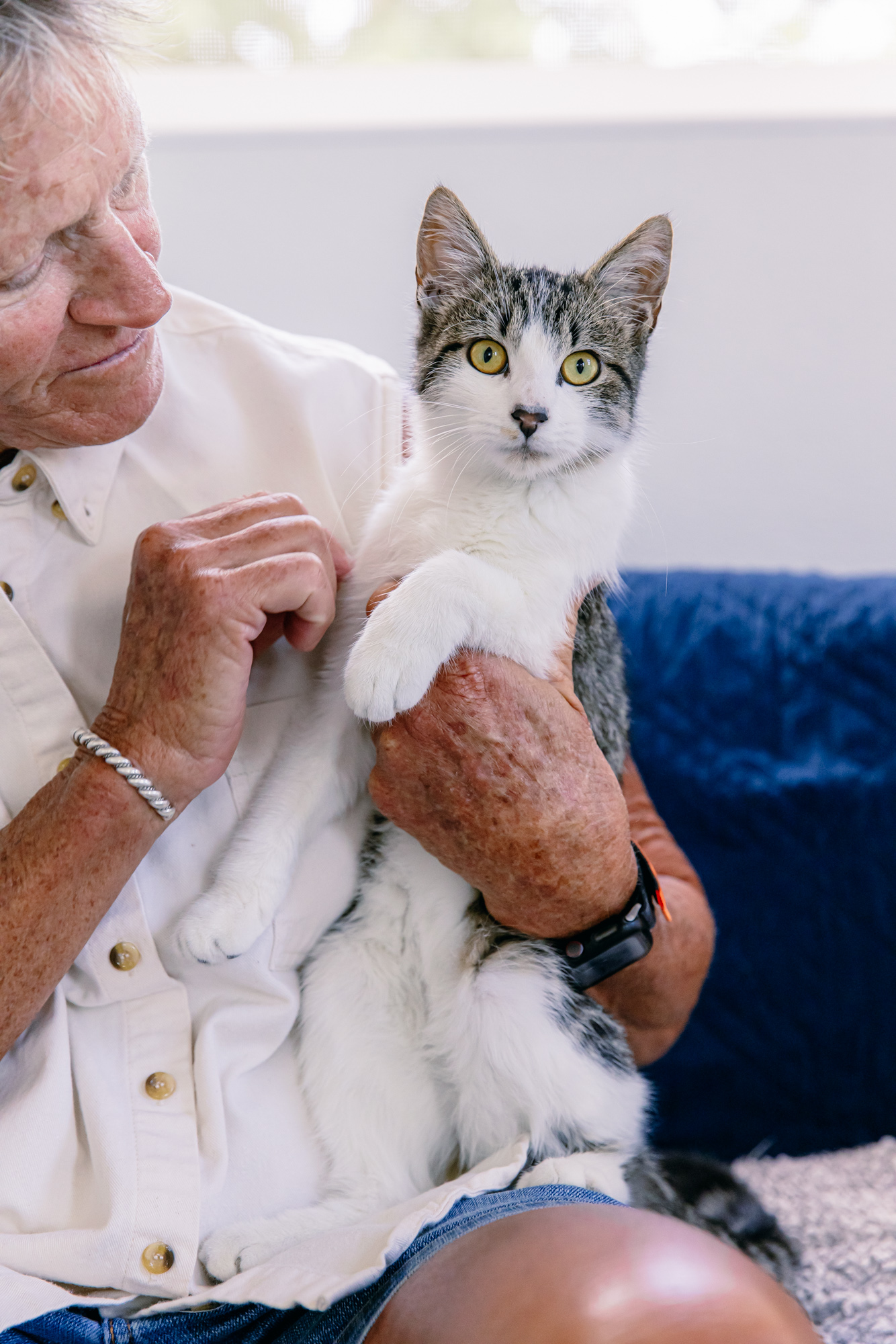
From our community

Not your average shelter.
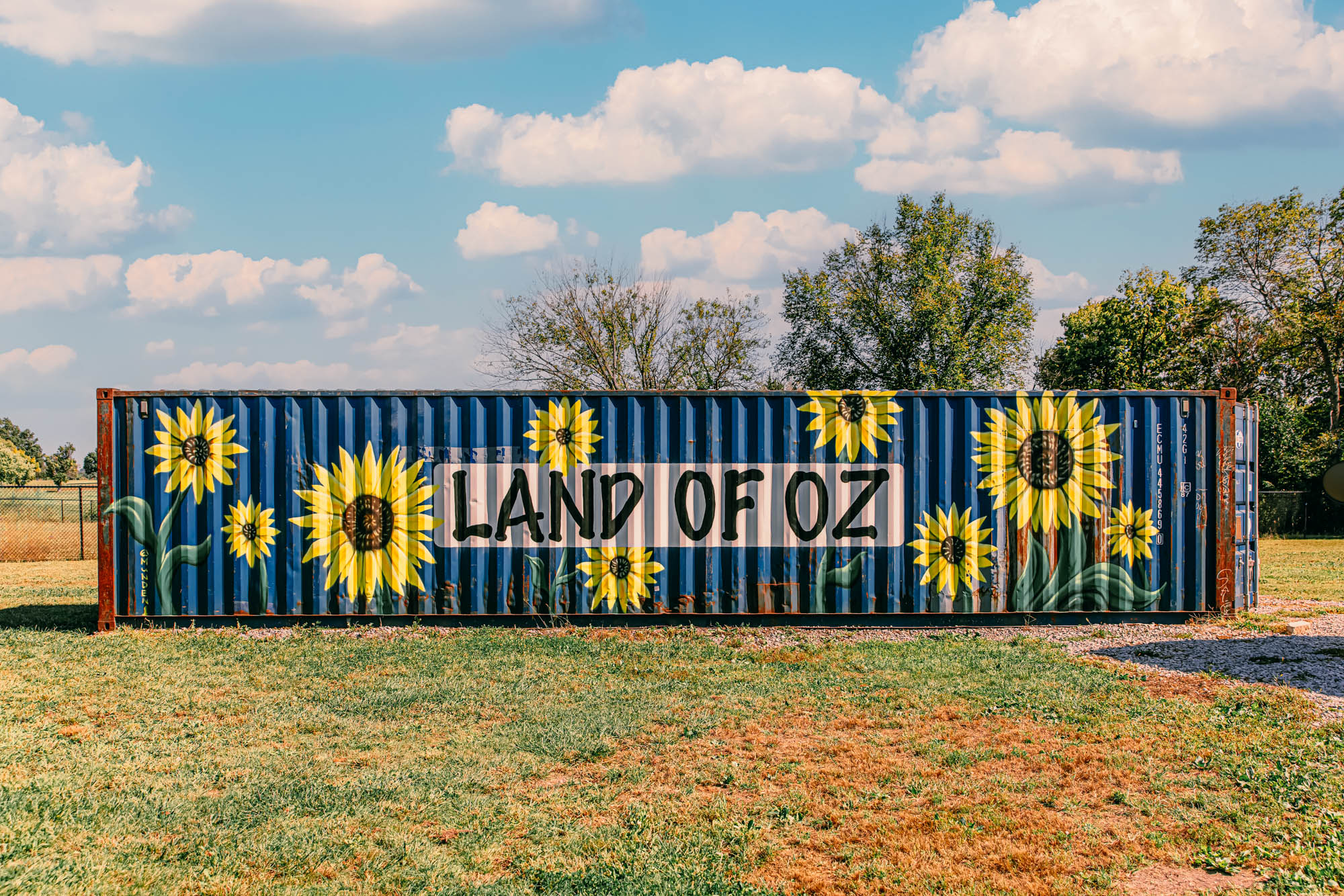
The Land of Oz sunflower mural at an Always and Furever location

Where you can find us

Multiple sanctuaries across Kansas and Missouri need volunteers and loving pet parents. Find your nearest Always & Furever project, or come shop for the cause.

This organization is the absolute best. They go above and beyond and work tirelessly to help these animals in need. There are way more animals needing rescued than there are people…

Metal M., community review

We adopted our Newman in May 2021 from Always and Furever. I had followed their page for a while and was touched how they work to find every animal that comes into…

Allison B., adopter

Stay in the loop

Sign up for our newsletter

Special events, updates on dogs and cats, the latest news, and a few behind-the-scenes sneak peeks from the barn.

Sign up today

Listen

The Doggone Truth About Rescue

Our podcast speaks honestly about the hope and the difficulty of rescue, with updates on adoptable dogs and cats.

Listen on Spotify

Follow along

Morning updates and goodnight visits

Daily life at the barn, Team Minis mischief, and 100 Days, 100 Stories.

Scroll to Top