Vet care built by a rescue, for rescues.

Rescue is a team sport. Our Veterinary Rescue Collaborative empowers qualified rescue and shelter partners with vet care capacity tailored to your needs. Say yes to saving more lives with another rescue in your corner.

Maybe your rescue’s biggest pain point is heartworm treatment. Maybe you have 30 cats waiting for spays or neuters. Or animals aren’t adoption-ready because their preventive care isn’t current. Tell us where your care barriers are. Let’s see if we can help.
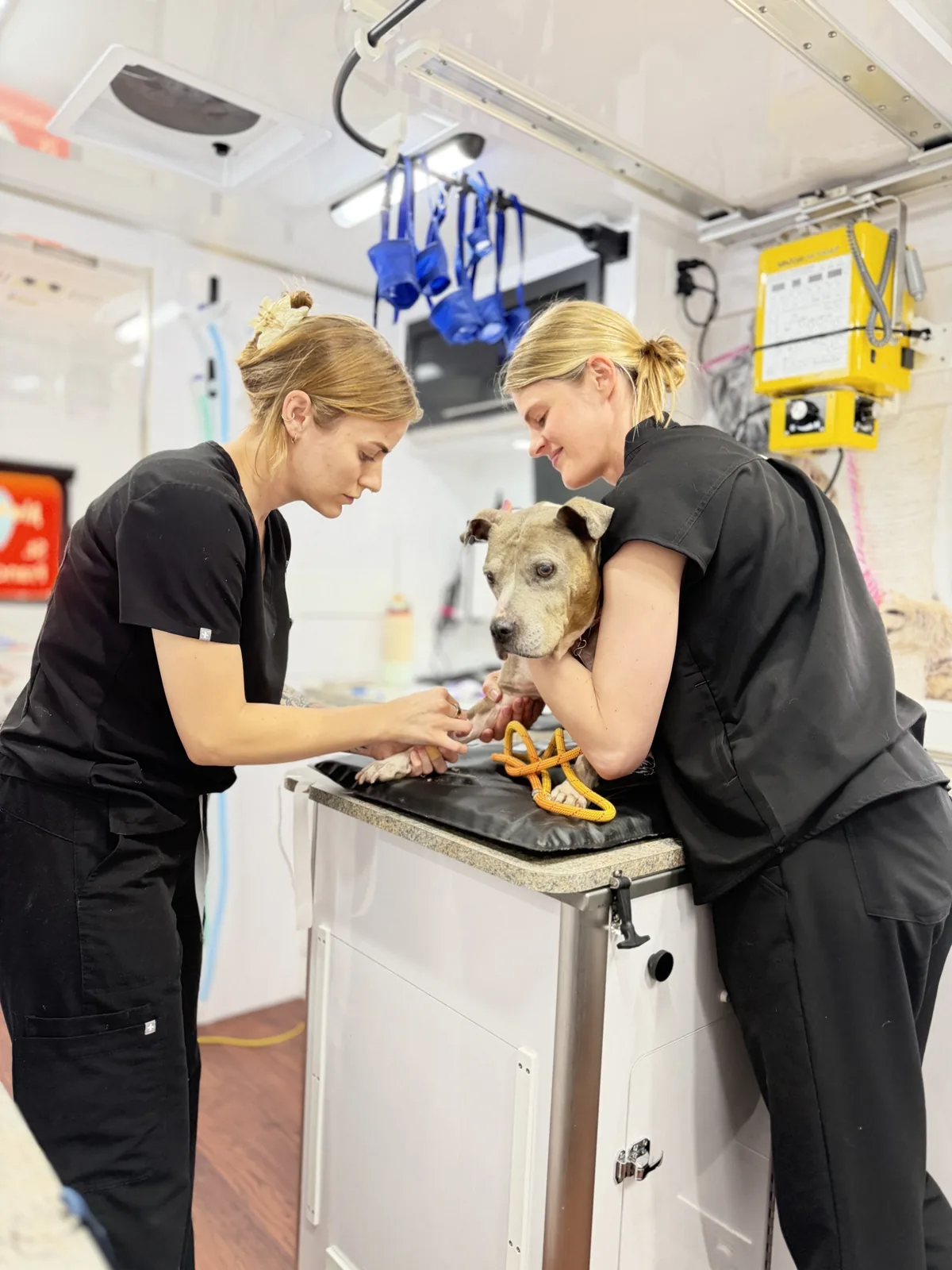
Two veterinary team members care for a dog on an examination table.

Meet the team behind the care

Healing on the move.

Get to know the St. Francis Mobile Vet Outreach Team.

Why we built VRC

We built the care partnership we wished rescue had.

Over half a million dollars in veterinary bills in one year. We knew there had to be a better way.

We know the pressure of unexpected veterinary costs, limited appointment access, and animals whose next step depends on medical care.

VRC grew from a question: could the medical capacity we were building for our animals help other rescues who share our mission?
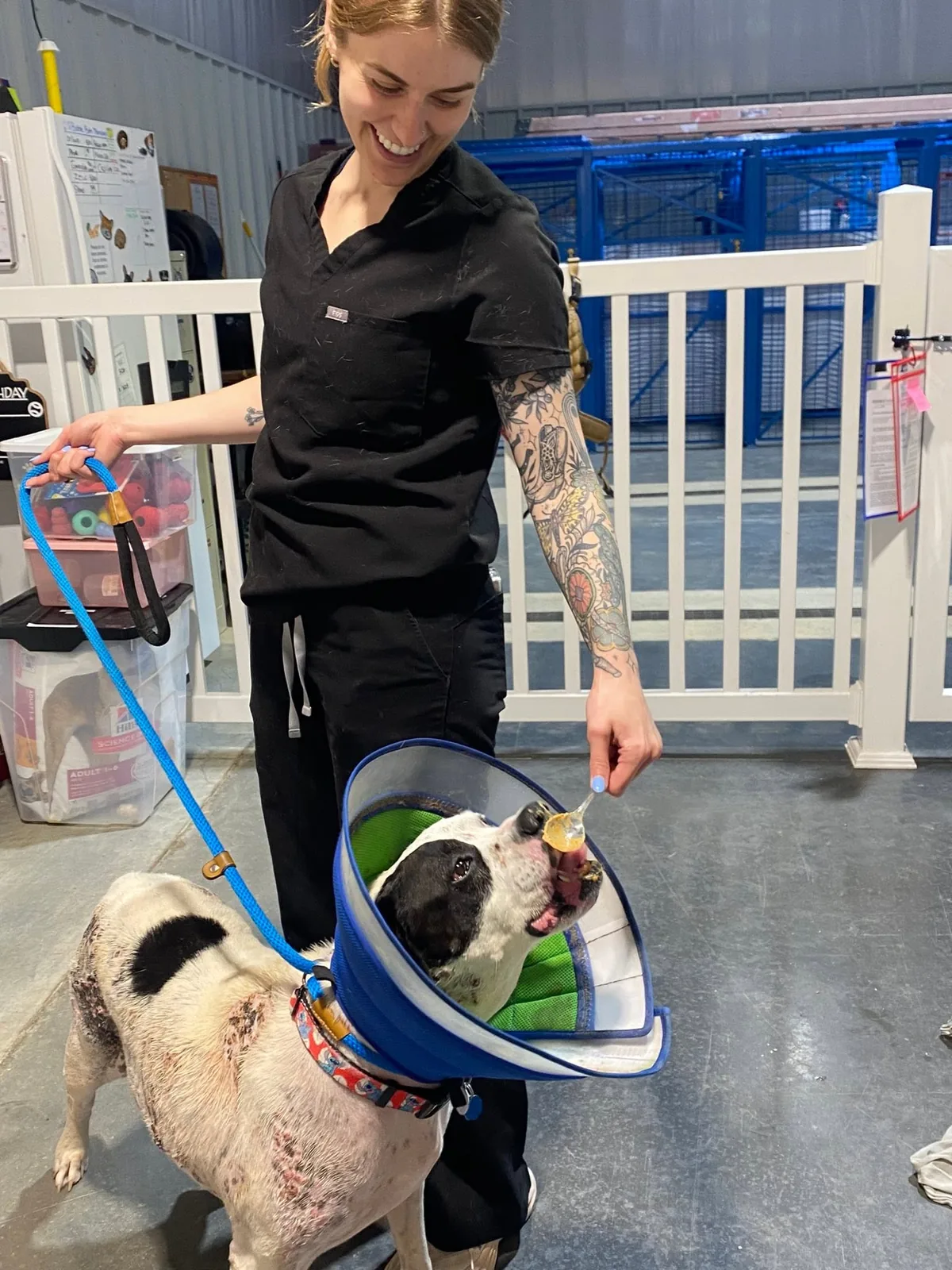
A team member gives a treat to a dog wearing a recovery cone.

Amazing things happen when rescues have support

Their next chapter is a team effort.

Every animal in your care has a story. Here are a few we’ve been grateful to be part of.

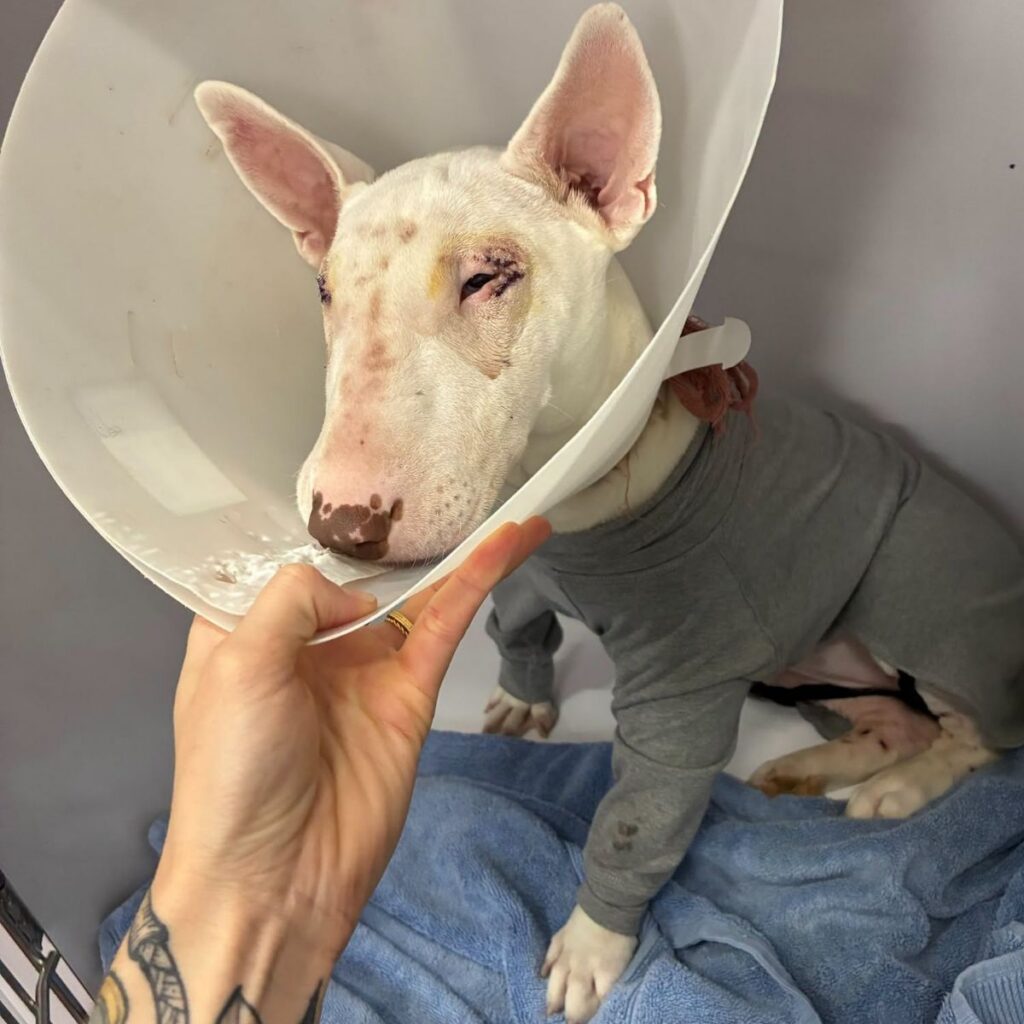
A white shar pei is in a cone and grey surgical onesie recovering from medical care.

A Standout Star Patient: Marshmallow

Our girl Marshmallow had a full day of care: entropion and hernia repairs, a spay, and bandage changes. When we first got the call to save her, she had been brutally attacked by other dogs. She's been a trooper through it all and continues to heal beautifully with the support of our team (and stylish grey surgical onesie).

Procedure Recap + How It Improves Marshmallow's Quality of Life:
• Entropion repairs: Correct eyelids that roll inward, so lashes and skin stop rubbing against the eye. Left untreated, it can cause serious corneal damage and vision loss.
• Hernia repairs: Close a weak spot in the abdominal wall, preventing tissue from pushing through and becoming trapped or damaged. This is a proactive measure that will prevent an emergency down the road.

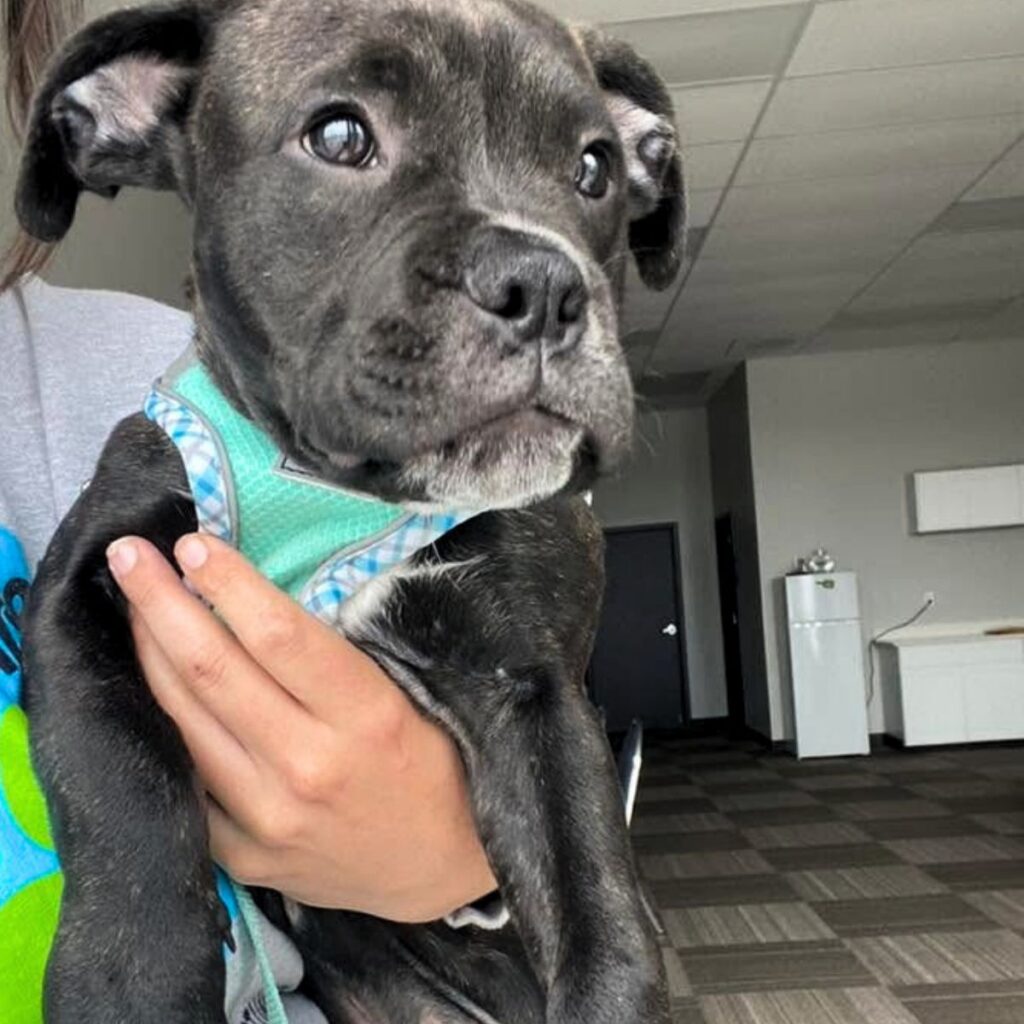
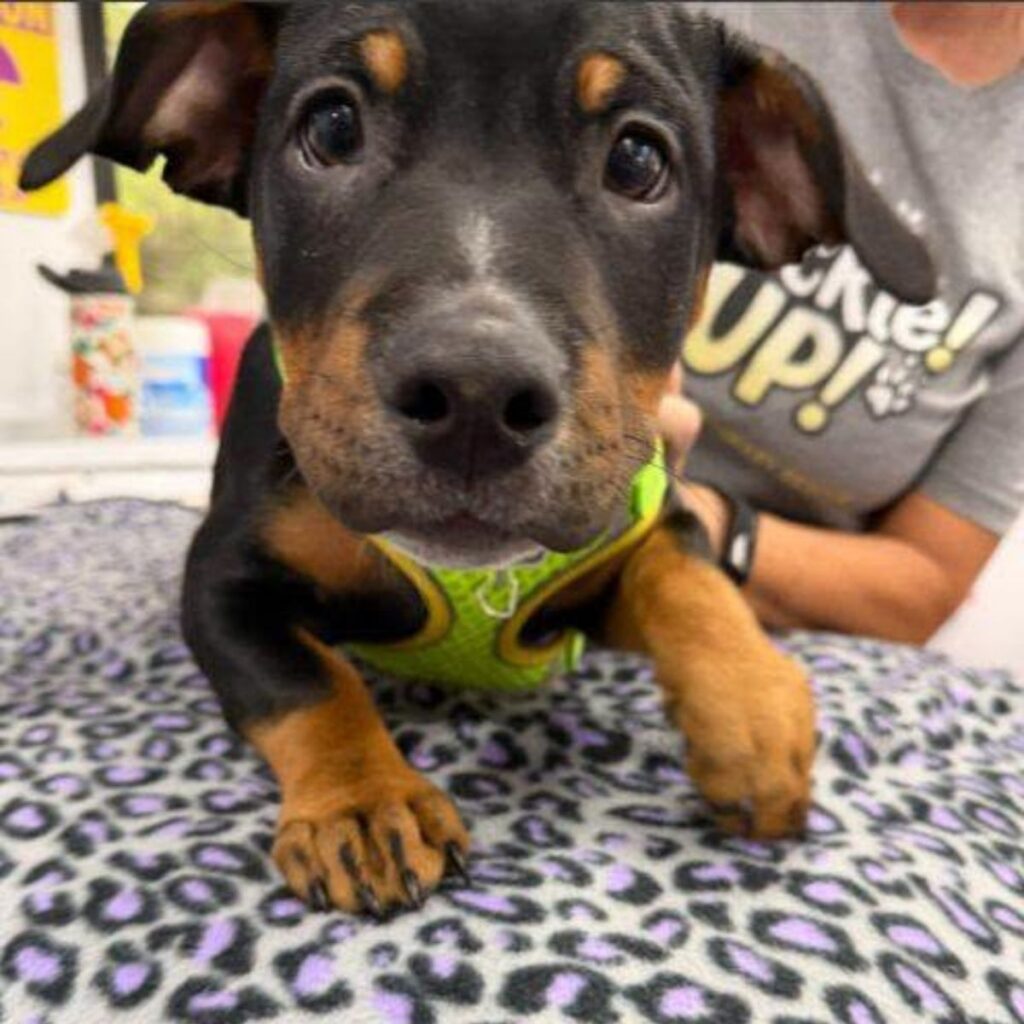
A cute black puppy is being held and looking off camera.

A Healthier Future: Grace

Grace recently underwent her spay procedure at the Little Wichita Barn and recovered with the support of the veterinary team and volunteers who helped make the day possible. For many rescue animals, a spay or neuter procedure is one of the final steps before they are truly ready for their next chapter. Access to surgery helps remove barriers that can delay placement into loving homes. Grace is one step closer to the future she deserves.

Procedure Recap + How It Improves Grace's Quality of Life:
• Spay surgery: Prevents future litters and significantly reduces the risk of several reproductive diseases.
• Preventive health care: Supports long-term wellness and adoption readiness.
• Professional monitoring and recovery: Helps ensure a safe and comfortable healing process.

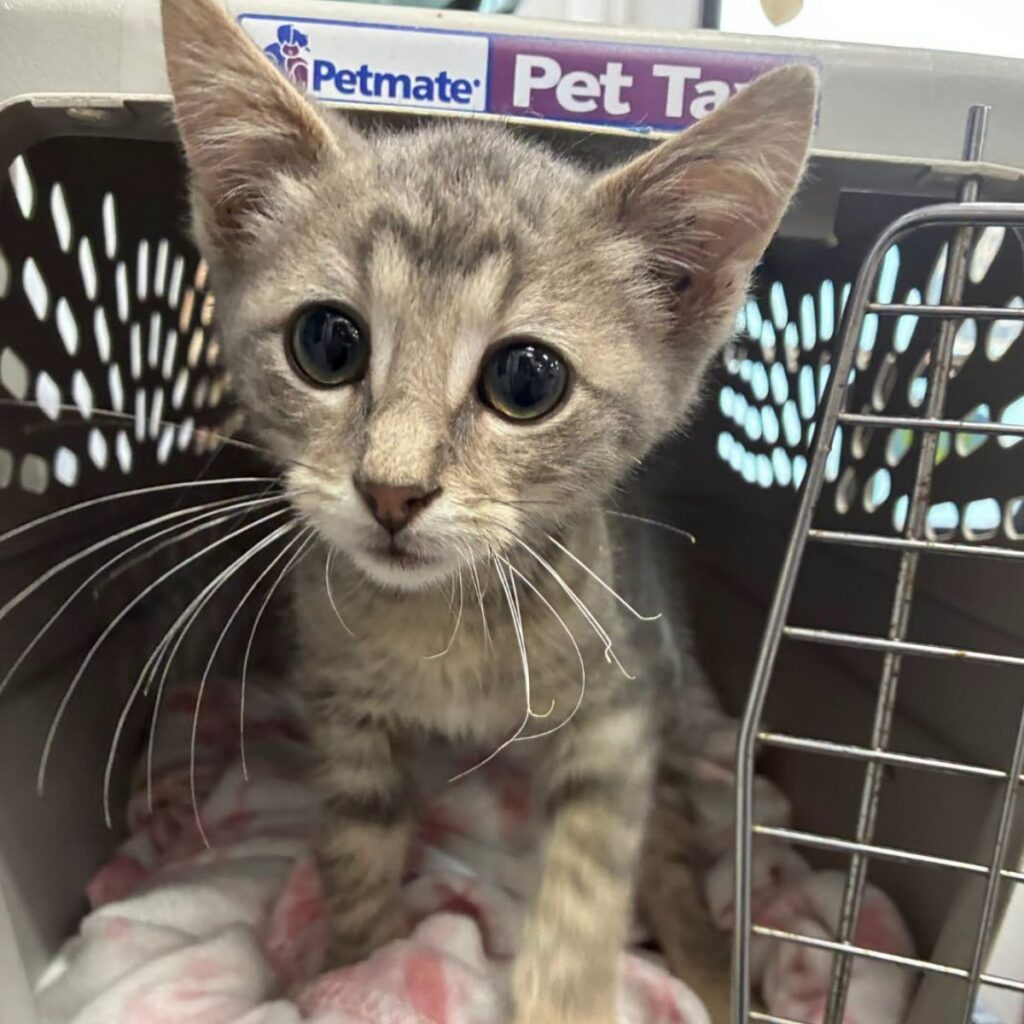
A kitten with light fur peaks out of an open cat carrier.

Ready for His Next Adventure: Burney

Burney received a full medical workup designed to prepare him for the next chapter of his life. From surgery to preventive care, his appointment covered nearly everything needed to start fresh. Burney's appointment is a perfect example of how access to comprehensive veterinary care can change the trajectory of a rescue animal's future. From preventive medicine to identification and surgery, he received the tools needed for a healthier start. These routine medical services may seem small, but they often become the foundation for a successful adoption.

Procedure Recap + How It Improves Burney's Quality of Life:
• Neuter surgery: Prevents unwanted litters and provides long-term health benefits.
• Vaccinations and parasite prevention: Protect against common infectious diseases and parasites.
• Diagnostic testing: Helps ensure Burney is healthy and identifies concerns early.
• Microchip placement: Provides permanent identification and increases the chances of being returned home if ever lost.

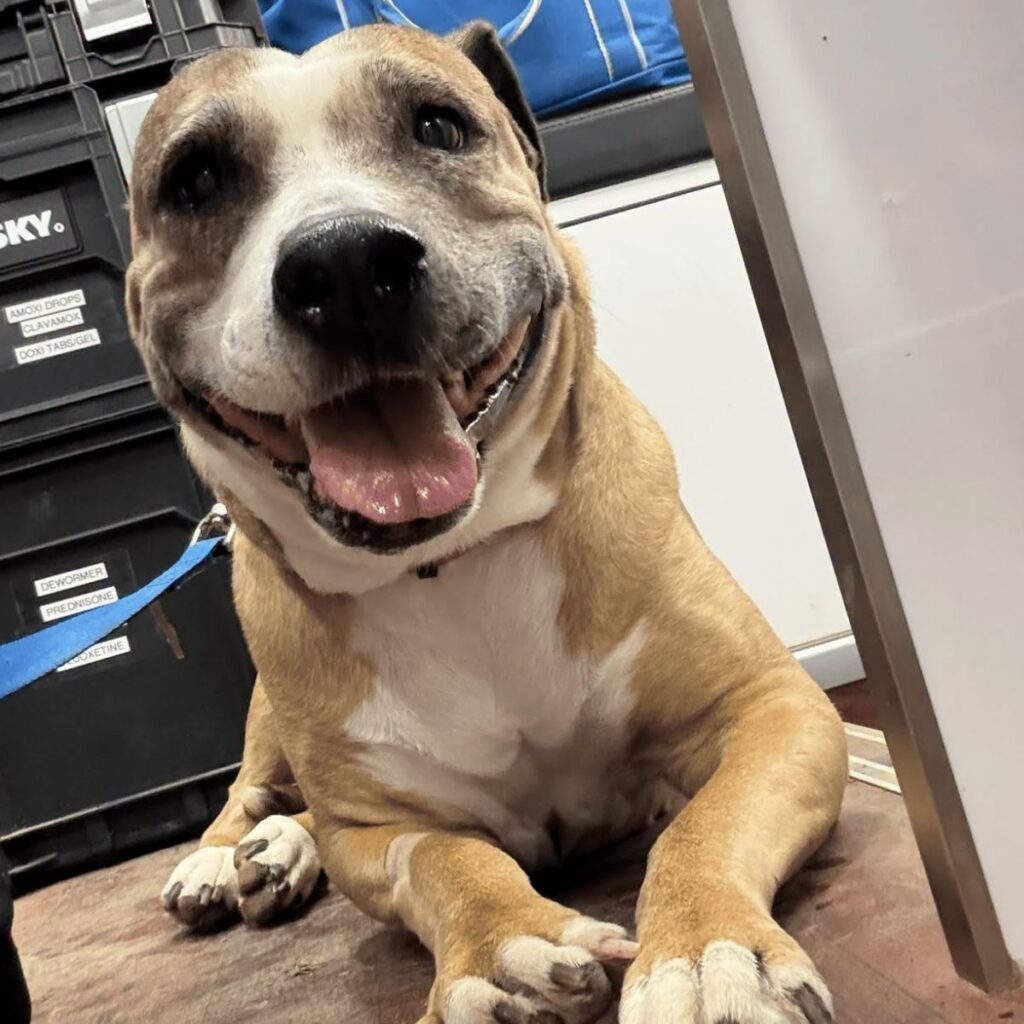
A cute dog lays on the floor of the mobile vet rv waiting on her appointment.

Helping Her Stay Mobile: Morwen

Morwen's visit focused on improving both her comfort and mobility. Along with a dental procedure and extractions, she received advanced imaging to evaluate arthritis-related concerns affecting multiple joints.

Procedure Recap + How It Improves Morwen's Quality of Life:
• Dental cleaning and extractions: Removes painful diseased teeth and improves oral health.
• Radiographs of multiple joints: Help evaluate the severity of arthritis and guide treatment decisions.
• Pain management plan: Provides relief from chronic discomfort and supports improved mobility.
• Senior wellness care: Helps Morwen remain active and comfortable as she ages.

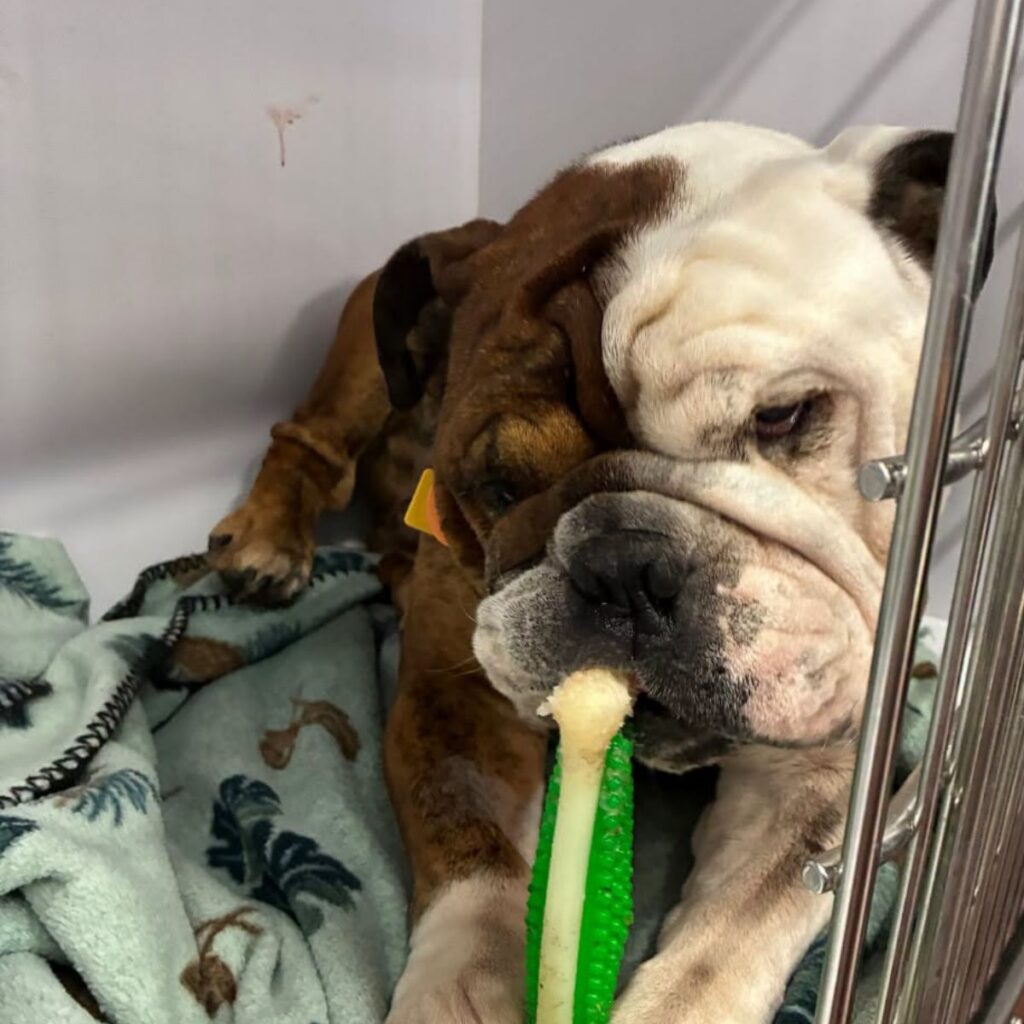
A cute bulldog chews on a toy as he waits for his appointment in the mobile vet rv.

Catching Problems Early: Harvey Dent

Harvey Dent charmed everyone during his recent exam by bringing along his favorite toys. While under sedation, the medical team discovered a mass requires future surgical removal. Sometimes veterinary visits uncover concerns no one knew were there. Since Harvey had access to a thorough examination early on in his stay with Always & Furever, his medical team was able to identify an issue early and begin planning the next steps. Early detection creates opportunities for better outcomes and healthier futures.

Medical Recap + How It Improves Harvey Dent's Quality of Life:
• Comprehensive examination: Allowed veterinarians to identify a concern that may not have been visible externally.
• Early detection: Creates an opportunity to address the mass before it potentially causes larger problems.
• Surgical planning: Ensures Harvey receives the appropriate treatment while minimizing risk.

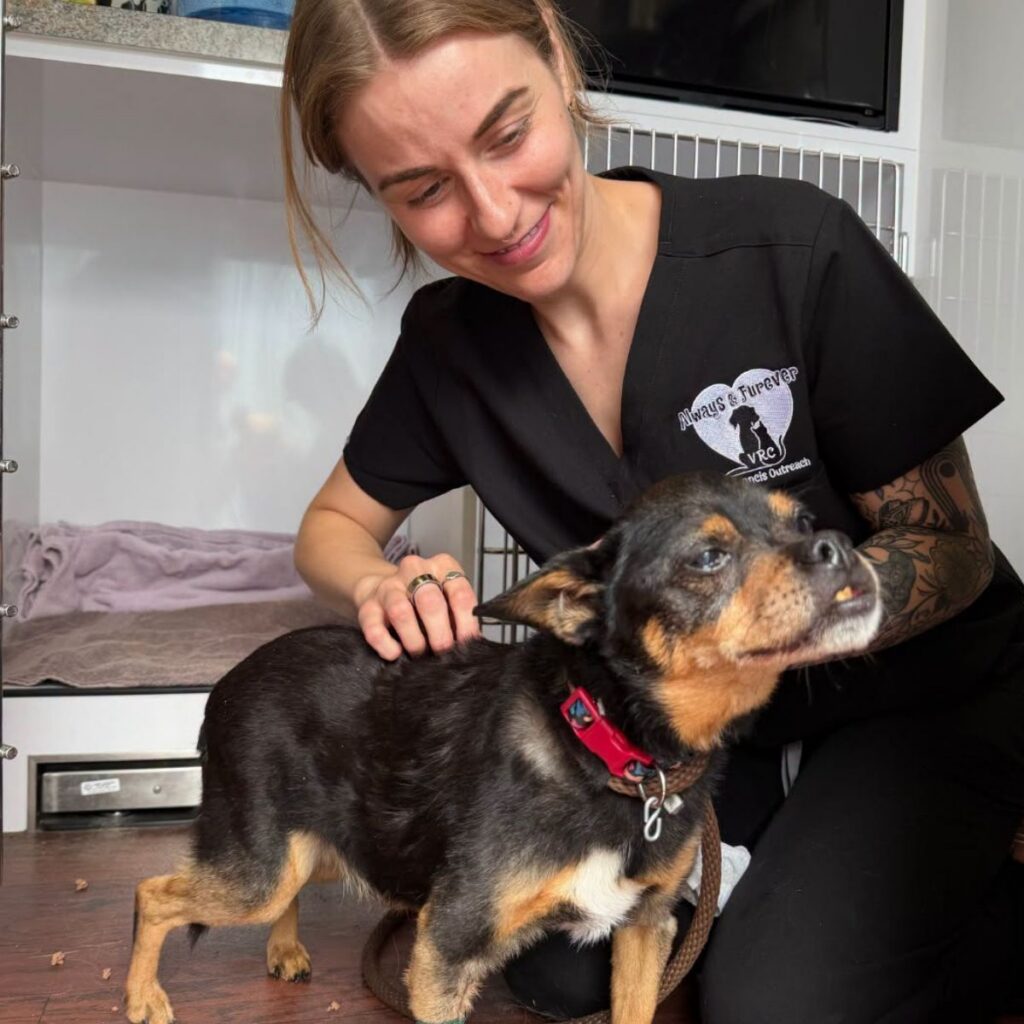
A small senior dog gets examined by a vet tech.

A More Comfortable Tomorrow: Grimley

Grimley underwent an extensive dental procedure where eight teeth were removed, with plans to address additional issues during a future visit. He will also return to have a mass on his elbow removed.Senior pets often spend years quietly living with dental pain before receiving treatment. By addressing Grimley's dental disease now, we're helping him enjoy meals, daily activities, and life itself with greater comfort. Every animal deserves to feel their best, regardless of age.

Procedure Recap + How It Improves Grimley's Quality of Life:
• Multiple dental extractions: Remove painful, diseased teeth that can affect eating and cause chronic inflammation.
• Comprehensive oral care: Reduces infection and improves long-term comfort.
• Future mass removal planning: Allows the team to proactively address another medical concern before it impacts mobility or comfort.

A cute puppy walks towards the camera.

Growing Up Healthy: The Boat Puppies

Earlier this summer, these puppies were abandoned and left without the safety every young animal deserves. At their recent appointments, five of them completed an important milestone in their journey when they received their spay and neuter surgeries through the mobile veterinary team. Their story is a reminder that rescue isn't just about saving lives. It's about investing in what comes next.

Procedure Recap + How It Improves Their Quality of Life:
• Spay and neuter surgeries: Prevent future unwanted litters while reducing the risk of several reproductive diseases.
• Preventive veterinary care: Ensures puppies enter adulthood healthier and better prepared for adoption.
• Rescue readiness: Completing routine medical procedures helps remove barriers to placement and permanent homes.

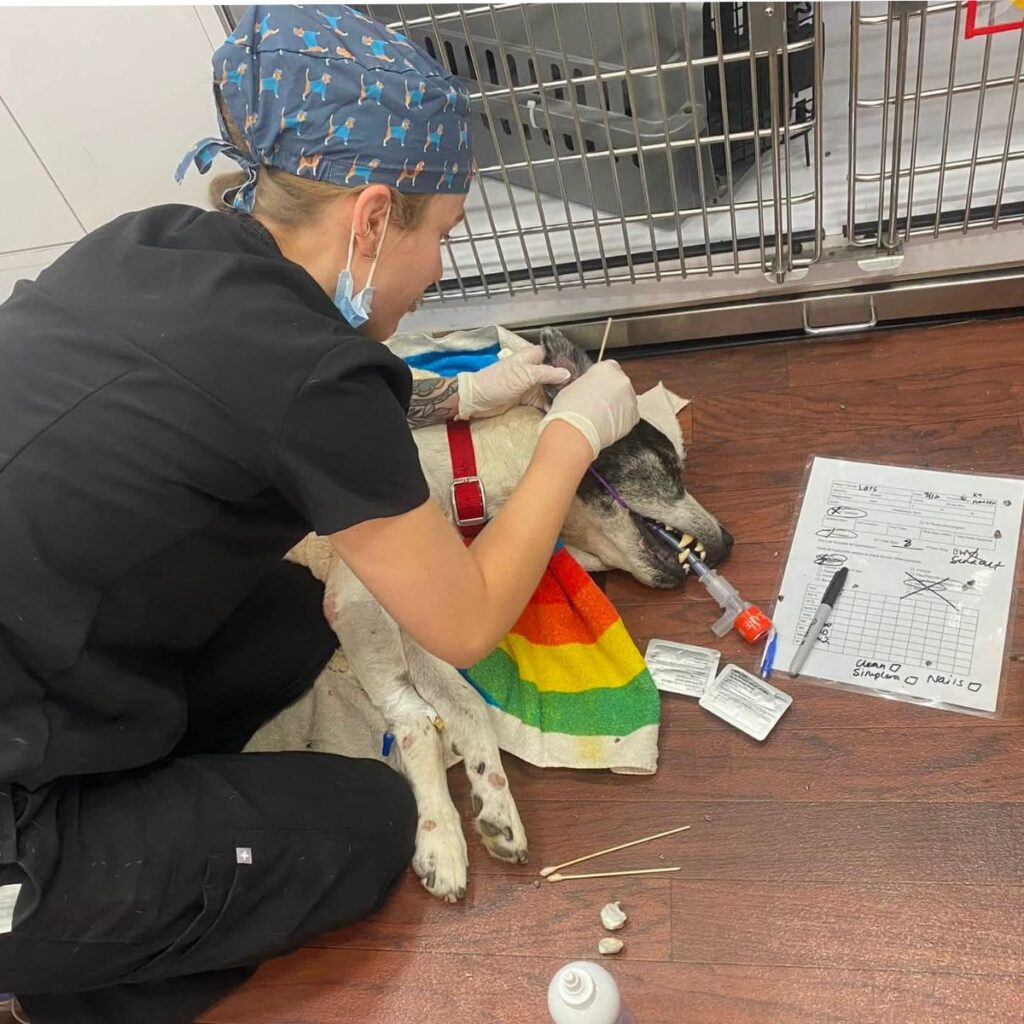
A vet tech is swabbing a dog's ears while waking up from surgery.

A New Lease on Life: Lars

After blood was discovered in his urine, Lars was promptly evaluated by the veterinary team and started on treatment to keep him comfortable. He was dealing with benign prostatic hyperplasia (BPH), commonly developed in older intact male dogs. BPH is an enlargement of the prostate caused by testosterone. An enlarged prostate can cause blood in the urine, straining to urinate or defecate, and discomfort. Even though we spay/neuter our rescue friends before they are eligible for adoption, neutering is also the treatment of choice for BPH. Removing the source of testosterone causes the prostate to shrink significantly over a few weeks. Shortly after this appointment, Lars underwent his neuter procedure and is recovering beautifully. Lars was additionally prescribed a medicated shampoo to be used twice weekly after fully recovering from surgery to support his skin and coat health. Thankfully, no significant concerns were found during his examination, but some dogs simply benefit from specialized skin care routines.

When Lars began showing signs that something wasn't right, he was able to receive prompt veterinary attention rather than waiting weeks for answers. Access to timely care helps prevent minor concerns from becoming major medical emergencies. For rescue animals like Lars, having veterinary resources available at the right time can make all the difference.

Procedure Recap + How It Improves Lars' Quality of Life:
• Neuter Surgery: In addition to preventing unwanted litters, neutering can help reduce the risk of certain reproductive and prostate-related conditions, supporting long-term health and comfort.
• Urinary evaluation: Allowed the team to investigate the cause of his symptoms and begin supportive treatment.
• Heartworm testing: Identified active heartworm disease so treatment planning can begin.
• Medicated skin care program: Helps manage chronic skin irritation and supports a healthier coat and skin barrier.

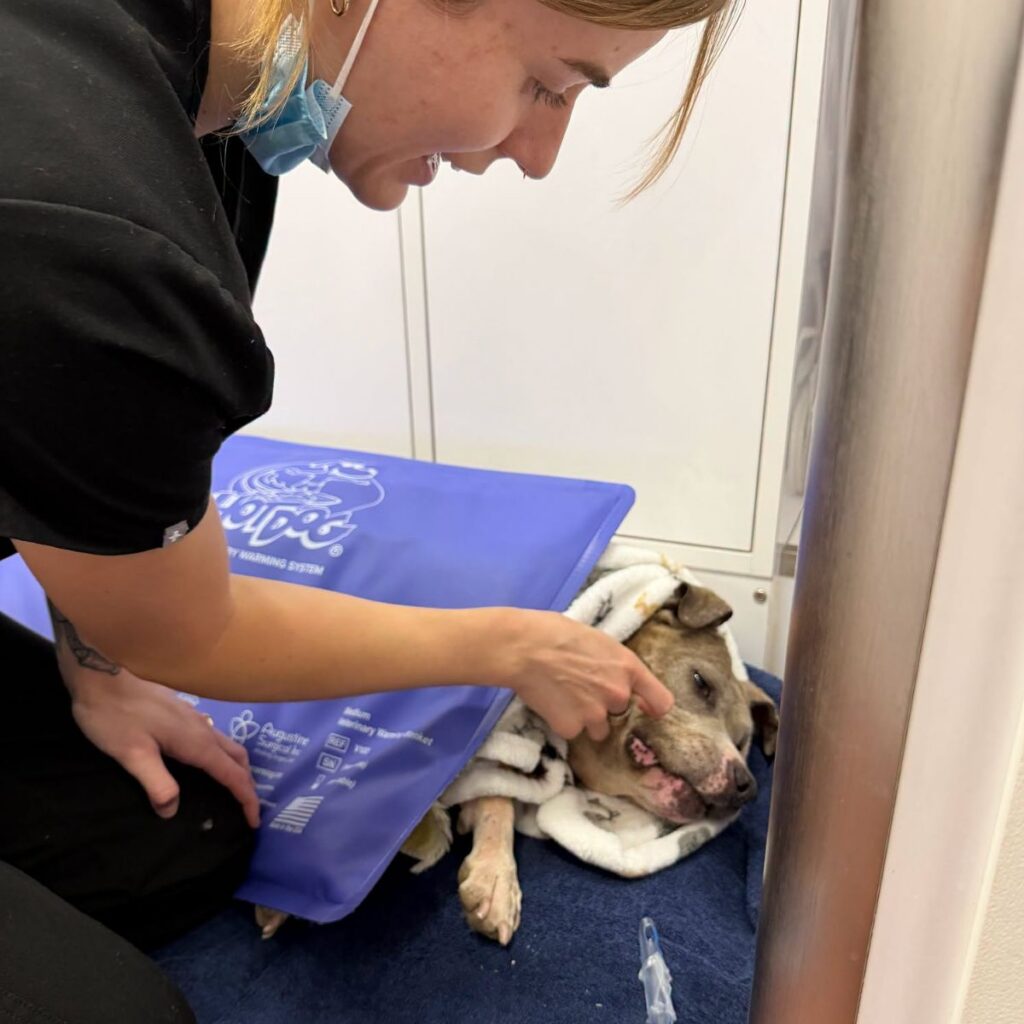
A vet tech checks the gums of an elderly female dog recovering from surgery.

Surgery Day: Laney

Laney recently visited the veterinary team after experiencing nausea and vomiting. While diagnostics were underway, additional testing revealed that she is heartworm positive. More recently, she underwent surgery to remove several mammary masses, including one that was submitted for pathology evaluation. These masses are hormonal in nature, which is exactly why spaying is so protective for female dogs. For a gal like Laney, safe removal means carefully identifying and tying off the spiderwebbed blood supply feeding each mass. Raegan, our incredible vet tech, made sure Laney had all the snuggles and reassurance she needed waking up from sedation though.

Like so many senior dogs, Laney's medical needs required more than a routine appointment. They required access to diagnostics, surgery, and a team willing to look at the whole picture. Thanks to collaborative veterinary care, Laney was able to receive treatment before these issues had the chance to become larger problems.
Every step of her treatment plan helps move her closer to the healthy, comfortable future she deserves.

Procedure Recap + How It Improves Laney's Quality of Life:
• Mammary mass removal: Eliminates abnormal tissue that can continue growing, become uncomfortable, or develop into more serious health concerns.
• Pathology testing: Provides important information about the nature of the mass and helps guide future medical decisions.
• Diagnostic testing and evaluation: Helps identify underlying medical concerns and create the safest treatment plan.
• Heartworm planning: Early diagnosis allows the team to develop a treatment strategy that protects Laney's long-term health.

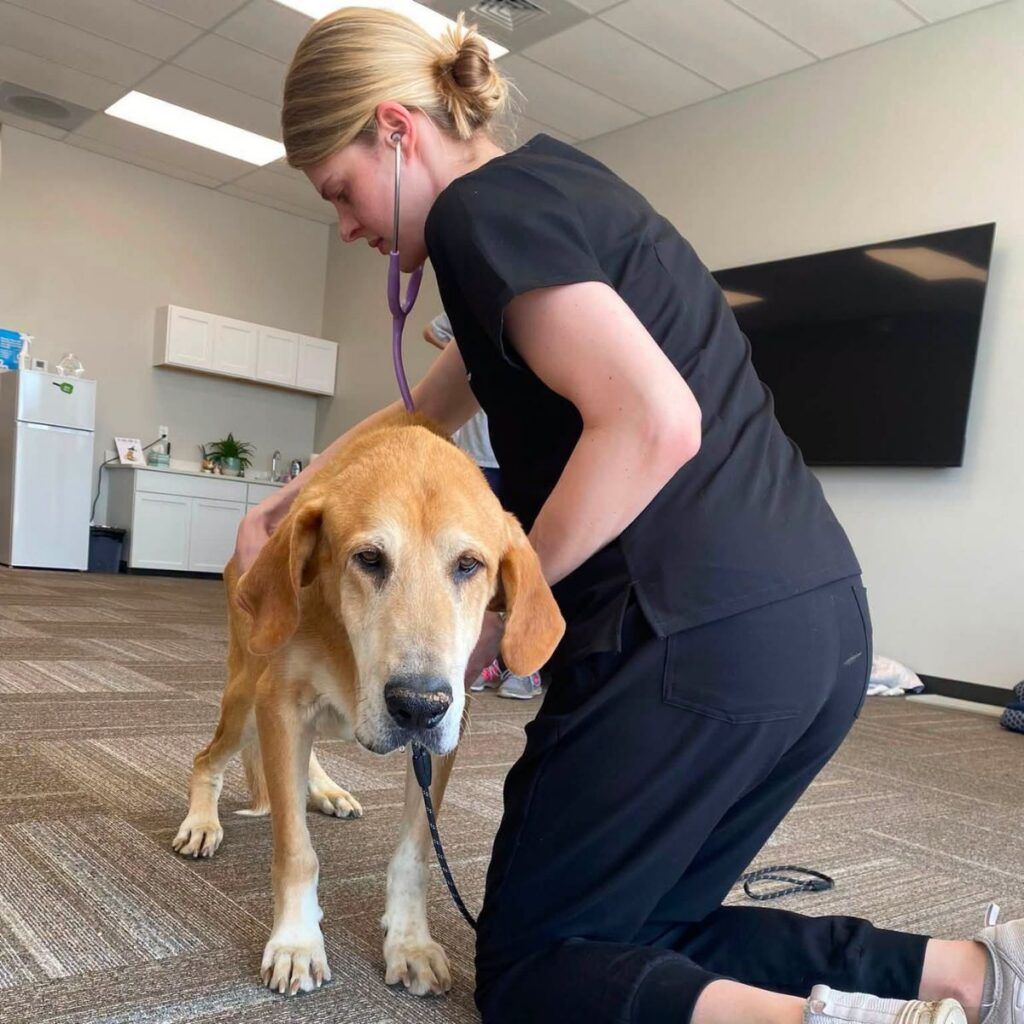
A female vet kneels down by a large yellow elderly dog to listen to his heart with her stethoscope.

Our Sweet Senior Boy: Bonham

Bonham came to the St. Francis Outreach Mobile Veterinary Team for an important medical evaluation after developing a new heart murmur and showing signs of nausea and vomiting. At 11 years old, Bonham reminds us why senior dogs deserve every chance to receive thoughtful, individualized veterinary care.

Rather than rushing forward with surgery, our veterinary team took the time to fully evaluate his health and make decisions based on what was safest for him.
Sometimes the best medicine is slowing down, listening to what an animal's body is telling us, and putting their well-being first. A deeper look through diagnostics and chest radiographs allowed us to better understand what was happening beneath the surface. His exam revealed heart changes consistent with active heartworm disease, leading the team to postpone his neuter and focus on creating the safest plan for his long-term health.

Exam Recap + How It Improves Bonham's Quality of Life:

• Comprehensive physical examination: Helped identify a newly developed heart murmur and evaluate his overall surgical safety.
• Chest radiographs (X-rays): Allowed veterinarians to assess changes within the heart and lungs associated with heartworm disease.
• Surgical postponement: Sometimes the best medical decision is waiting. Delaying anesthesia reduces the risk of complications while additional health concerns are evaluated.
• Treatment planning: Gives Bonham the opportunity to receive care tailored to his individual needs so he can remain comfortable and enjoy the best possible quality of life.

See all care stories

Support tailored to you

Your rescue is unique,
your partnership should be too.

You may need one program, several, or occasional help. Start with what is costing too much, taking too long, or slowing down the next save.
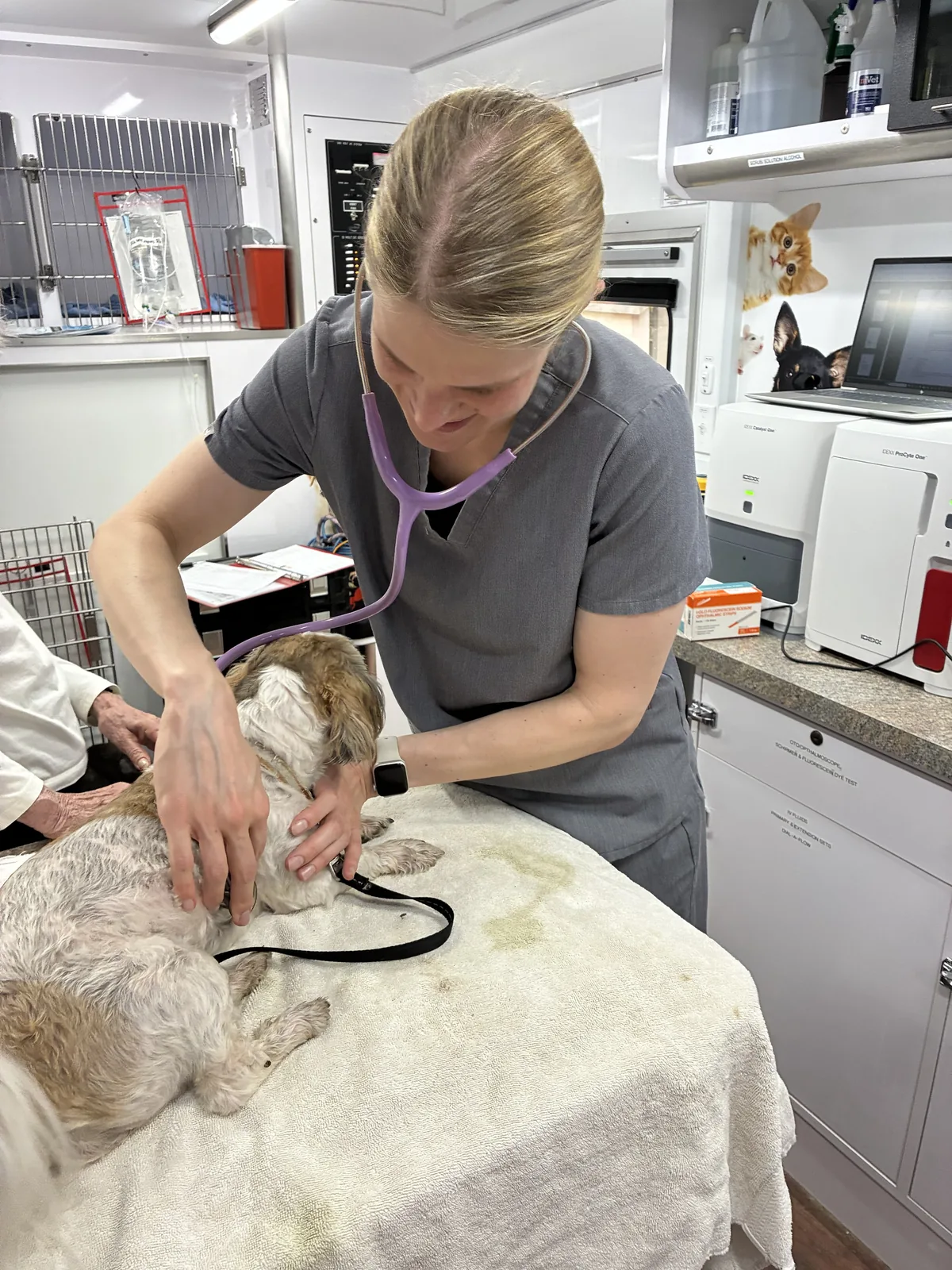
A veterinarian examines a dog with a stethoscope.
01 / Heartworm treatment

A chance for a treatable dog.

Standard heartworm treatment can be a major barrier to a rescue saying yes. The Heartworm Partnership is designed to make that care more predictable, with part of the cost intentionally subsidized by Always & Furever and its supporters.

Explore heartworm treatment

Standard, uncomplicated heartworm treatment for approved rescue partners.

The veterinary team reviews each patient. Complicated cases, stabilization and emergency or specialty care may require another provider.

Costs, inclusions and availability are confirmed with the VRC team. Current program terms apply.

Talk to us about this program
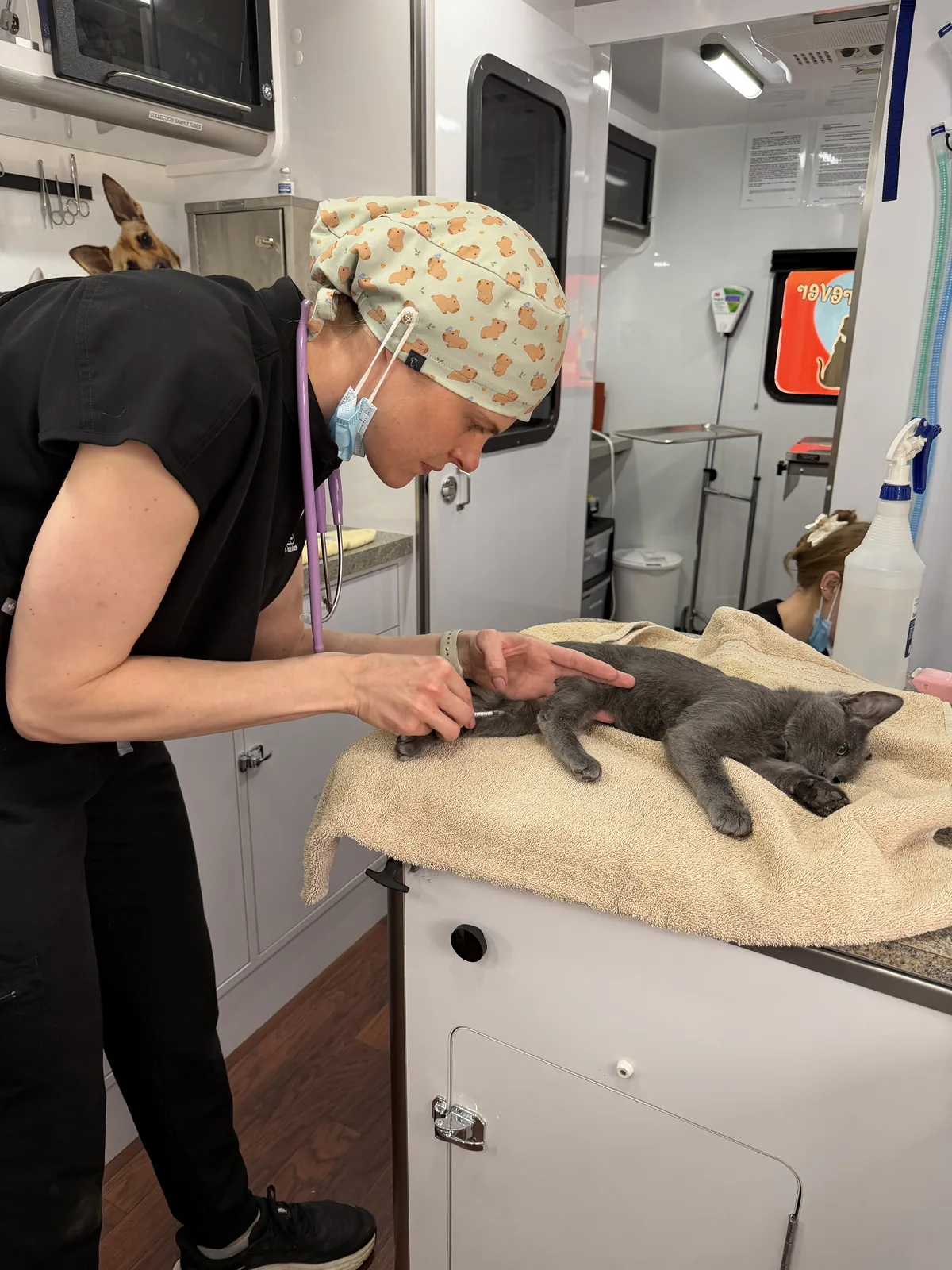
A veterinary team member cares for a gray kitten.
02 / Cat spay & neuter capacity

Less waiting. More next steps.

Coordinated feline surgery blocks help rescues plan around a reserved date, so intake, foster placement and adoption can keep moving. The veterinarian determines the safest case mix.

Explore cat spay & neuter capacity

Reserved feline surgical capacity, with half-day or full-day options subject to current program terms.

A reserved block does not guarantee a fixed number of completed surgeries. Patient needs and veterinary judgment determine safe capacity.

Costs, inclusions and availability are confirmed with the VRC team. Current program terms apply.

Talk to us about this program
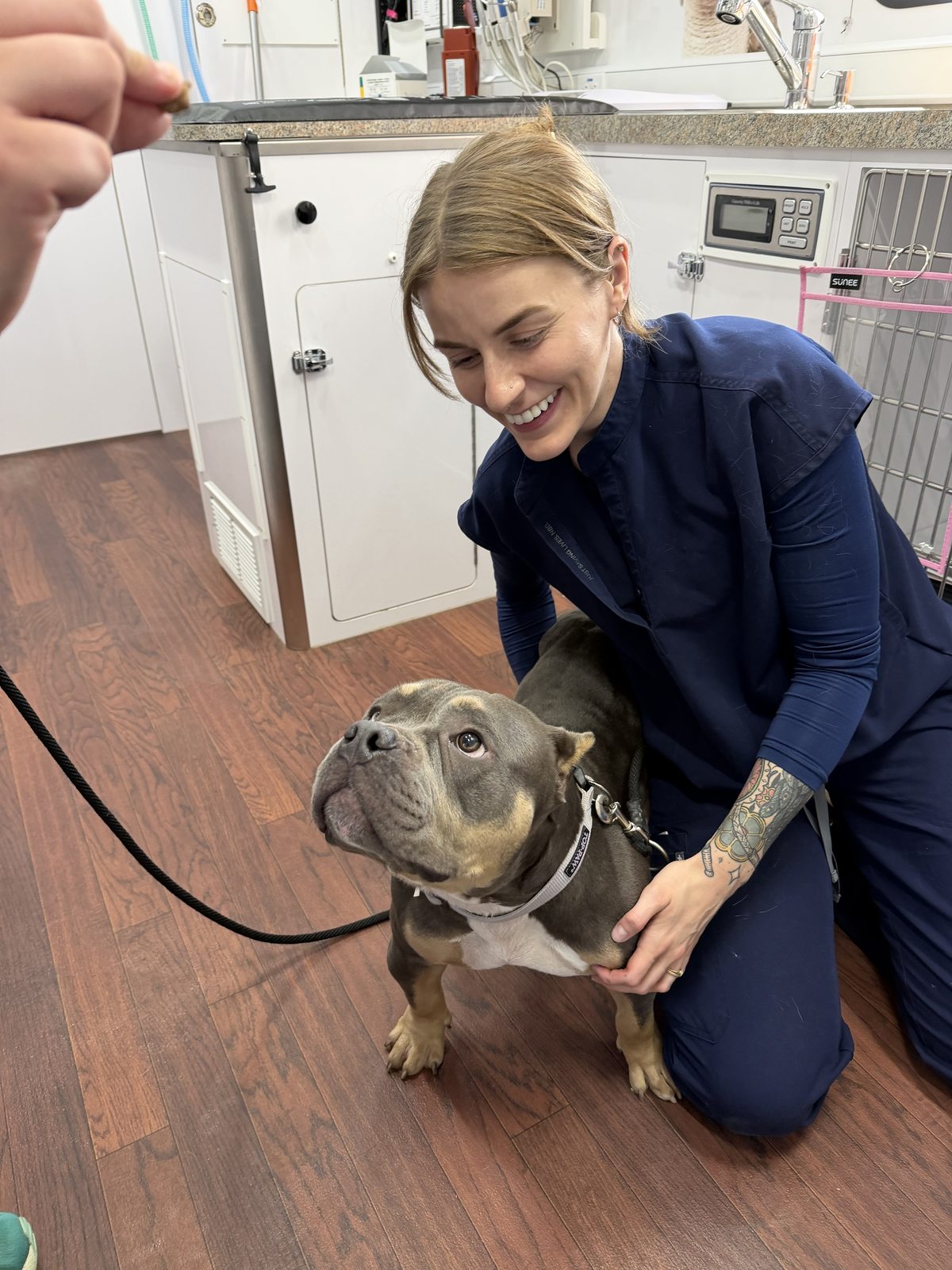
A veterinary technician sits on the floor with a dog.
03 / Preventive & boarding-ready care

Ready for the next safe place.

Sometimes an animal is waiting on vaccines, testing or records before moving into boarding, transport, foster care or adoption. Organized preventive blocks help rescue partners coordinate that work.

Explore preventive & boarding-ready care

Organized care for multiple rescue animals, with the required records and medical needs reviewed ahead of time.

Requirements depend on each animal and destination. Reserved team capacity and designated direct medical costs follow the current program terms.

Costs, inclusions and availability are confirmed with the VRC team. Current program terms apply.

Talk to us about this program
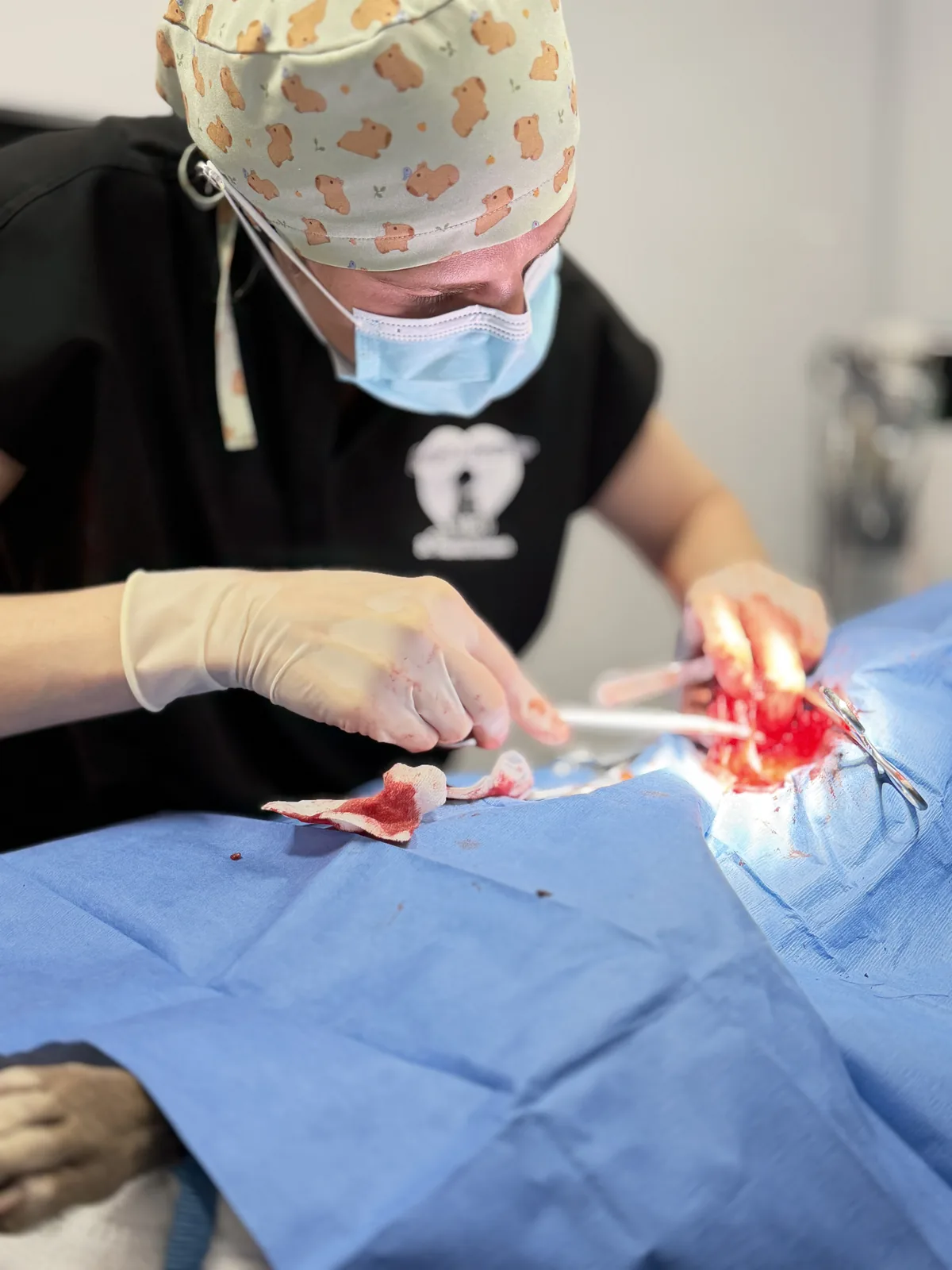
A veterinarian performs surgery.
04 / Ongoing veterinary capacity

Another resource in your corner.

For rescues that need recurring support, VRC can discuss routine care and selected more complex cases. Keep the veterinary relationships that work for you and use VRC where additional capacity can help.

Explore ongoing veterinary capacity

A conversation about recurring capacity matched to your rescue’s needs.

Services and scheduling depend on veterinary judgment, staffing and program capacity. Emergency, overnight and specialty needs may require referral.

Costs, inclusions and availability are confirmed with the VRC team. Current program terms apply.

Talk to us about this program

One more resource for your rescue

Keep what’s working.
We’ll help with what isn’t.

You don’t have to leave your veterinarian or use every VRC program.

Maybe VRC helps with preventive care while your regular veterinarian handles sick visits. Maybe heartworm treatments are the missing piece.

The goal is to help remove veterinary barriers so your rescue can keep moving animals toward safety and homes.

How it works

Start with the problem,
not the package.

  1. 1

    Tell us where you’re stuck

    Start with the veterinary barrier your rescue needs help solving.

  2. 2

    We learn your rescue

    Share your animals, volume, location and existing care resources.

  3. 3

    Find a possible fit

    Explore one program, a combination, or another path.

  4. 4

    Review the care needs

    The team reviews medical needs, capacity and program requirements.

  5. 5

    Start small, together

    When appropriate, we begin with a manageable commitment and learn from it.

Partnership means
being honest.

What you can expect

  • A rescue-first conversation
  • Clear program terms and costs
  • Care guided by veterinary judgment
  • Honest communication about capacity
  • A sustainable partnership that protects animals and the care team

What access depends on

Patient welfare, veterinary judgment, regulatory requirements, staffing and actual program capacity guide what we can offer.

Same-day care and acceptance of every case are not guaranteed. Urgent A&F cases may affect scheduling. Sick or unstable animals, and those needing emergency, overnight or specialty care, may need another provider.

Where we work

Care close to your rescue.

Talk with the team about participating locations and where your animals’ care could take place.

Current location

Osawatomie, Kansas

32874 Beaver Lake Road

Partner care is coordinated with the VRC team.

Opening Soon

Kansas City, Missouri

5990 Noland Road

Availability will be confirmed when this location becomes operational.

A few things you may be wondering

Frequently Asked Questions

Is VRC a public veterinary clinic?

This page is for rescue and shelter partnerships. For pet parents needing access to affordable veterinary care resources, please check out our Community Care Fund page.

Do we have to leave our current veterinarian?

No. VRC is designed to supplement the veterinary relationships that already work for your rescue. You may need support with one specific barrier while your regular veterinarian continues other care.

Do we have to use every VRC program?

No, every rescue partnership begins with only the care your rescue needs.

Can small rescues participate?

Let’s chat! The team can discuss the level of support you need and whether a current program is a fit. Some programs may allow approved shared blocks or rosters.

Is access guaranteed?

No. Access depends on patient welfare, veterinary judgment, regulatory requirements, staffing and actual program capacity. Some animals will need a different level of care.

How do we get started?

Tell us what your rescue is dealing with through the partner interest form or email the VRC team. You do not need to choose a program first.

Let’s talk about your rescue

Start with a conversation,
not a contract.

You don’t need to know which program you want. Tell us what’s happening in your rescue and what care would help you take the next step.

Or email vrc@alwaysandfurever.org

Talk to VRC
Always & Furever Midwest Animal Sanctuary · Veterinary Rescue Collaborative